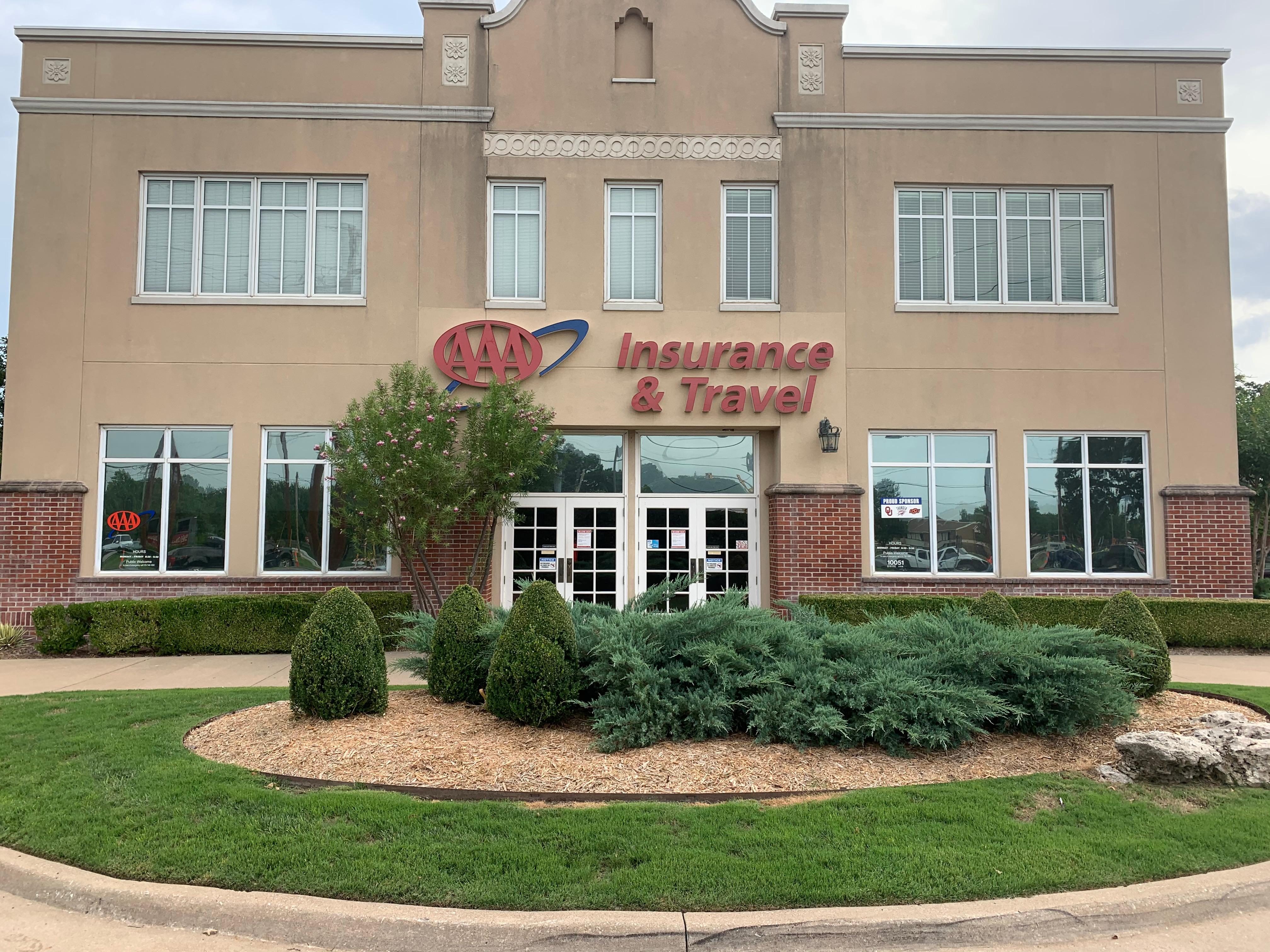
Finding the right protection in Tulsa should feel empowering, not overwhelming. AAA insurance in Tulsa, OK is often explored for a practical mix of auto, home, renters, life, and roadside-related support, giving drivers, families, students, and homeowners one place to compare everyday coverage needs with real local relevance.
For Tulsa residents, the appeal is easy to see: auto coverage can help with liability, collision, comprehensive, uninsured motorist, and medical payments; property policies may help protect homes, rentals, belongings, and weather-related risks; and roadside assistance can add confidence during lockouts, dead batteries, flat tires, towing events, or fuel delivery calls. Membership-style benefits, claims help, local service access, and bundling opportunities can also make the experience feel more connected and convenient.




Overview of AAA Insurance in Tulsa, OK
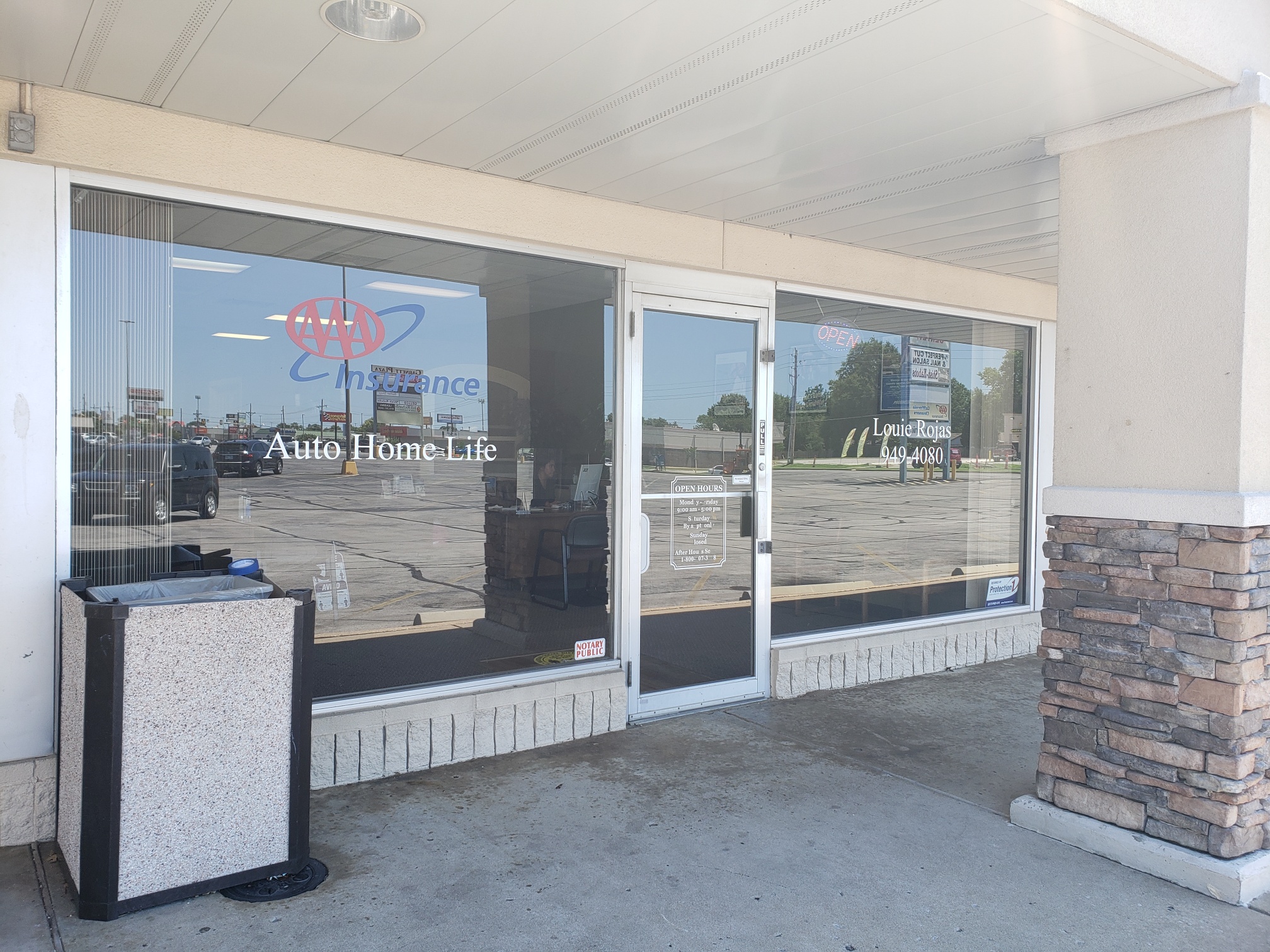
In Tulsa, AAA insurance is often more than a single policy—it is a practical bundle of protection built for drivers, homeowners, renters, and families who want help both on the road and at home. For many local households, the appeal comes from pairing familiar coverage with the extra confidence of membership-based support.
Commonly available AAA insurance services in Tulsa, OK, typically center on auto, home, renters, life, and roadside-related protection. Auto coverage may help with liability, collision, comprehensive losses, uninsured motorists, and medical-related expenses after an accident. Home and renters policies are designed to protect property, belongings, and certain liability exposures, while life insurance can support long-term family planning. Roadside assistance remains one of the most recognized AAA-related services, giving members a fast solution for everyday travel setbacks such as dead batteries, lockouts, flats, or towing needs.
How Tulsa Families and Drivers Put AAA Services to Work
What makes AAA especially useful in Tulsa is how these services can match real local routines—from commuting across the metro to protecting a house from storm-related damage. A provider with membership benefits, claims support, and a local service presence can feel easier to use because help is not limited to paperwork; it can also include travel-oriented perks, responsive assistance after a loss, and access to agents who understand regional driving habits and household concerns.
Here is how Tulsa residents commonly use AAA-related coverage in everyday life:
- Auto: A commuter on I-44 or the Broken Arrow Expressway may rely on coverage for accidents, hail damage, windshield issues, or uninsured drivers.
- Home: A homeowner may use protection for dwelling repairs, personal property loss, or liability if someone is injured on the property.
- Renters: An apartment tenant may insure furniture, electronics, clothing, and temporary living costs after a covered event.
- Life: Parents may choose life coverage to help protect income, future education goals, or major family expenses.
- Roadside: A driver stranded in a parking lot with a dead battery or flat tire may call for quick assistance instead of arranging help alone.
| Service Category | Best For | Typical Benefits | Common Use Cases |
|---|---|---|---|
| Auto Insurance | Daily drivers, commuters, multi-car families | Liability, collision, comprehensive, uninsured motorist options | Accidents, storm damage, vehicle repairs |
| Home or Renters | Homeowners, condo residents, tenants | Property protection, belongings coverage, liability help | Fire, theft, weather loss, guest injury claims |
| Life Insurance | Parents, spouses, long-term planners | Financial protection for loved ones | Income replacement, family support planning |
| Roadside Services | Frequent drivers, students, travelers | Towing, jump-starts, lockout help, tire service | Breakdowns, dead batteries, flat tires |
For Tulsa households, the real value is often the combination of protection and convenience. Instead of juggling separate providers, many people prefer a company that can connect insurance needs with member-oriented assistance. That can mean simpler service, recognizable support channels, and a stronger sense that help is available before, during, and after a problem happens.
Pro Tip: If you drive often, own a home, and want extra trip or emergency support, a membership-based insurer like AAA can be appealing because the value may extend beyond the policy itself.
Coverage Options and Policy Features
Choosing coverage is where a Tulsa auto policy turns from basic paperwork into real financial protection. The right mix can shield your car, your savings, and your daily routine when traffic, weather, or uninsured drivers create expensive surprises.
For Tulsa residents, the smartest policy is not always the biggest one—it is the one that matches how you drive, what you own, and how much risk you can comfortably pay out of pocket. Coverage types, deductibles, and policy limits work together, so understanding each feature helps you build protection that feels practical rather than excessive.
Smart Protection Layers for Different Tulsa Lifestyles
Core auto coverages usually begin with liability, which helps pay for injuries or property damage you cause to others. Collision helps repair your own vehicle after an accident, while comprehensive covers non-collision losses such as hail, theft, vandalism, fire, or falling objects. Uninsured/underinsured motorist coverage can be especially valuable if another driver has little or no insurance, and medical payments coverage helps with treatment costs for you and your passengers. For broader property-related protection, some policies may also offer rental reimbursement, towing, glass protection, or coverage for personal items damaged in a covered auto loss, depending on the policy terms.
Below is a quick comparison of popular coverage features and when they may fit best.
| Coverage Type | What It Covers | Common Exclusions | Ideal Policyholder |
|---|---|---|---|
| Liability | Injuries and property damage you cause to others | Your own car damage, intentional acts | Every driver; essential baseline coverage |
| Collision | Your vehicle after crashes with cars or objects | Mechanical failure, normal wear | Commuters, newer car owners, financed vehicles |
| Comprehensive | Hail, theft, fire, vandalism, animal strikes, glass damage | Routine maintenance, excluded personal property | Families, students parking outside, storm-prone drivers |
| UM/UIM + Med Pay | Injuries from uninsured drivers and medical bills for occupants | Non-covered incidents, limit-based restrictions | Families, seniors, frequent passengers |
Optional add-ons, deductibles, and limits can change both monthly premiums and what you pay later during a claim. A higher deductible usually lowers the premium, but it also means more out-of-pocket cost before insurance begins paying. Higher policy limits raise protection for serious accidents, which can be important if you have savings, a home, or other assets to protect.
When comparing features, Tulsa drivers often benefit from prioritizing options like these:
- Commuters: Collision, rental reimbursement, and roadside-related features can reduce disruption after a wreck or breakdown.
- Families: Higher liability limits, medical payments, and uninsured motorist coverage can create a stronger safety net for multiple passengers.
- Students: Comprehensive coverage helps if the car is parked outdoors, while a moderate deductible can balance budget and protection.
- Seniors: Medical payments, towing help, and easy-to-manage deductibles may offer confidence without overcomplicating the policy.
- Multi-vehicle households: Consistent deductibles and solid liability limits across all vehicles can simplify protection and reduce coverage gaps.
Think of limits as the ceiling of protection and deductibles as your entry cost during a claim. If your vehicle is older, lower-value, or rarely driven, you may choose leaner physical damage coverage. If your car is newer, financed, or central to your workday, broader protection with carefully chosen limits may save far more than it costs.
Pro Tip: If replacing your car tomorrow would strain your budget, consider keeping collision and comprehensive. If paying a $1,000 deductible would hurt, a lower deductible may be worth the higher premium.
Rates, Discounts, and Cost Factors in Tulsa
Insurance prices in Tulsa are rarely random. A smart shopper can often lower costs by understanding which details raise rates, which choices unlock discounts, and where a small policy adjustment can make a noticeable difference.
In Tulsa, premiums often reflect a mix of personal profile, location, and vehicle risk. Insurers commonly look at driving history, your ZIP code, the type and age of your vehicle, past claims activity, and personal factors such as age and home ownership. Households that combine auto with renters or homeowners coverage may also see stronger pricing than buying each policy separately. Even two drivers with similar cars can pay different amounts if one has tickets, lives in a higher-traffic area, or chooses lower deductibles and broader protection.
How Small Choices Shape the Final Premium
Customization matters more than many Tulsa drivers expect. Choosing a higher deductible can reduce monthly payments, but it also means more out-of-pocket expense after a covered loss. Selecting broader coverage limits, adding optional protections, or insuring a newer vehicle with costly repair parts can push the annual total upward. On the other hand, savings may come from safe driver, multi-policy, multi-vehicle, good student, defensive driving, and membership-related discounts when eligibility is met.
| Cost Factor | Impact on Price | Possible Savings Strategy | Shopper Tip |
|---|---|---|---|
| Driving history | Tickets and accidents usually increase premiums | Maintain a clean record; ask about safe-driver programs | Compare rates again after violation-free renewal periods |
| ZIP code | Higher traffic, theft, or claim frequency can raise cost | Garage the car when possible; bundle policies | Rates may differ sharply even within the Tulsa area |
| Vehicle type | Sports, luxury, or high-repair vehicles often cost more | Price insurance before buying the car | Repair costs matter as much as sticker price |
| Coverage and deductible | Lower deductibles and higher limits usually increase premiums | Raise deductible only if emergency savings can cover it | Review limits yearly as your budget or assets change |
Before you shop, it helps to build a realistic budget target based on your situation rather than chasing the lowest number on the screen.
- A young driver with a used sedan may focus on liability coverage, a defensive driving discount, and joining a family multi-vehicle policy to keep monthly costs manageable.
- A homeowner with two cars may save by bundling home and auto, choosing one higher deductible across both vehicles, and reviewing whether older cars still need full physical damage coverage.
- A parent insuring a teen driver may offset higher risk with good-student savings, careful vehicle choice, and stricter coverage customization instead of automatically selecting every add-on.
- A retiree who drives less may ask about mileage-based considerations, safe-driver recognition, and whether trimming optional coverages fits current driving habits.
Pro Tip: When comparing options, match deductibles and coverage limits line by line. A policy that looks cheaper at first glance may simply shift more financial risk back onto you.
Claims Process, Roadside Assistance, and Customer Support
When stress hits the road or your home, speed and clarity matter. In Tulsa, AAA insurance support is designed to help policyholders move from chaos to resolution with fewer surprises and faster next steps.
For both drivers and homeowners, the process usually starts with reporting the incident, documenting what happened, and working with a claims representative or adjuster. Auto claims may involve inspection, repair estimates, rental coordination, and payment approval, while home claims often include damage review, emergency mitigation, contractor estimates, and reimbursement based on covered losses. The smoother your records, photos, receipts, and communication trail, the easier it is to keep the claim moving.
From First Call to Final Fix
Auto and home claims often follow a predictable path, which is good news for Tulsa policyholders who want control during a disruptive moment. After an accident, storm loss, theft, or property damage event, the insurer typically reviews coverage, assigns the claim, and requests evidence before approving repair, replacement, or payment. If roadside help is part of your membership or policy bundle, that service may be available separately from a claim, which can be especially useful for towing, lockouts, battery jumps or replacement, fuel delivery, and flat-tire changes when you need immediate help instead of reimbursement later.
Different support channels shine in different situations, and choosing the right one can save valuable time.
| Support Channel | Best Use | Why It Helps |
|---|---|---|
| Phone | Urgent accidents, active emergencies, claim questions | Fast human guidance when timing matters most |
| Mobile app | Roadside requests, photo uploads, status checks | Convenient for on-the-go updates and digital documentation |
| Local office | Policy clarification, complex issues, personalized support | Helpful when you want face-to-face explanations |
| Online account tools | Tracking claims, viewing documents, payments, messaging | Useful for routine follow-up without waiting on hold |
If you need a practical game plan, use these steps to file and manage a claim efficiently.
- Make sure everyone is safe, call 911 if needed, and prevent further damage when possible.
- Report the incident promptly by phone, mobile app, or online account portal.
- Gather essentials: policy number, date and time, location, photos, videos, witness details, police or incident report, and receipts for emergency expenses.
- For auto claims, collect driver, vehicle, and insurance information from all involved parties.
- For home claims, document damaged rooms, structures, personal property, and temporary repair efforts.
- Respond quickly to adjuster requests, schedule inspections, and keep copies of every estimate, email, and invoice.
- Confirm whether repairs require approval before work begins, then track payment, deductible, and reimbursement timing.
- Follow up regularly until the repair, payment, or settlement is fully resolved in writing.
Roadside assistance is often most valuable when the situation is inconvenient rather than catastrophic. Towing may help move your car to a nearby repair facility, lockout service can get you back inside without a panic spiral, battery service may include a jump-start or replacement option depending on eligibility, fuel delivery can bring enough gas to reach a station, and flat tire support typically helps install your usable spare. Availability, distance limits, and fees can vary, so it is smart to confirm the terms tied to your plan.
Pro tips: Put safety first, take wide and close-up photos immediately, save receipts for towing or temporary repairs, write down names and times from every call, and never assume the insurer has every document unless you can see it in your claim record. Fast reporting, organized proof, and polite persistence are the best ways to avoid delays.
Comparing AAA Insurance With Other Tulsa Insurance Options
In Tulsa, AAA Insurance stands out by blending protection with practical member perks, but it is not automatically the best fit for every driver or household. The smartest choice depends on whether you value price, convenience, support, or all-in-one protection most.
Compared with local independent agencies and major national carriers, AAA often appeals to shoppers who want more than a basic auto policy. Its value can feel stronger when roadside benefits, multi-policy opportunities, and service reputation matter, while some competitors may win on rock-bottom rates, highly customizable digital tools, or niche underwriting for higher-risk drivers.
How Value Shifts Across Tulsa Insurance Profiles
AAA typically competes on a membership-driven value model rather than a bare-minimum price model. That means some Tulsa customers may pay a little more upfront, but gain added convenience through roadside services, travel-related perks, and recognizable customer support. By contrast, many direct national brands focus on lower entry pricing and app-based policy management, while local agencies may shine by comparing multiple carriers for unusual risks, rental properties, or bundled household needs. The trade-off is simple: AAA leans toward rounded value, while alternatives may lean toward either lower cost or broader carrier shopping.
| Comparison Point | AAA-Related Benefit | Alternative Option Characteristic | Best-Fit Customer Type |
|---|---|---|---|
| Service style | Member-focused support with roadside heritage and established assistance channels | National direct carriers often push self-service apps; local agencies offer more personalized agent guidance | Drivers wanting hands-on help or trusted support access |
| Pricing approach | Competitive value when discounts and membership perks are factored in | Budget carriers may advertise lower starting premiums, especially for basic liability | Households comparing total value, not just headline price |
| Membership value | Roadside assistance and travel-related benefits can add everyday usefulness | Most non-member insurers separate these perks or charge extra for similar add-ons | High-mileage commuters and families wanting extra utility |
| Coverage flexibility | Strong option for bundling auto with other protection needs | Independent agencies may access more carrier combinations for specialized risks | Homeowners or multi-vehicle households seeking broader protection |
Here is where each path can make the most sense for Tulsa shoppers weighing real-life priorities instead of generic promises:
- Choose AAA if you want a balanced package with recognizable support, member benefits, and strong appeal for households that drive often.
- Choose a low-cost national carrier if your main goal is the cheapest workable premium and you are comfortable managing everything digitally.
- Choose a local independent agency if you want an agent to compare multiple insurers for tougher situations, mixed property needs, or tailored bundles.
- Choose a premium-focused insurer if concierge-style claims handling and higher-end protection matter more than finding the lowest monthly bill.
Different Tulsa drivers often land in different camps, especially when lifestyle and risk profile shape the real value of a policy:
- New drivers may prefer a low-cost or comparison-based option if rates are the top concern, though AAA can still appeal when family support and roadside help matter.
- High-mileage commuters may lean toward AAA because frequent driving increases the value of roadside assistance and dependable service access.
- Homeowners may benefit from AAA or a local agency when bundling home and auto creates stronger convenience and discount potential.
- Budget-focused households may favor direct national carriers if they are willing to trade some service depth for a lower premium.
Pro Tip: When comparing Tulsa insurers, price the policy with roadside coverage, bundling discounts, and deductible changes included. A policy that looks cheaper at first glance can become less attractive once you match benefits side by side.
Tips for Choosing the Right Policy in Tulsa, OK
The best insurance policy in Tulsa is not always the cheapest one; it is the one that still protects your wallet when hail hits, traffic tightens, or a household change suddenly raises your risk. Choose with intention, and your policy becomes a safety net instead of a surprise.
Start by matching coverage to real life in Tulsa. A daily commuter on busy corridors may want stronger liability limits and rental reimbursement, while a low-mileage driver may focus on value and deductibles. Homeowners should weigh rebuilding costs, storm exposure, and personal property value, while families with teen drivers, multiple cars, or bundled needs should compare how one policy supports the whole household. Think in layers: budget first, then driving habits, then vehicle or property value, then weather risks like wind, hail, and heavy rain, and finally the people who depend on the policy.
Smart Policy Fit Checklist for Tulsa Households
Before buying, read the paperwork with a buyer’s mindset, not a shopper’s mindset. The declarations page should clearly show named insureds, covered vehicles or property, policy limits, deductibles, and endorsements. Review exclusions carefully so you know what is not covered, especially for storm damage, aftermarket equipment, water backup, rental cars, uninsured motorists, or roadside events. Deductibles should feel manageable during a stressful month, not just attractive during quote shopping. Also check claim service details such as mobile claims tools, repair network options, response timelines, and whether local help is available when fast decisions matter.
Use this checklist to compare options without missing the details that affect real-world value:
- Set a monthly budget range and identify the highest deductible you could comfortably pay today.
- Match liability limits to your assets, commute frequency, and number of drivers in the household.
- Confirm comprehensive coverage reflects Tulsa weather risks, especially hail and wind exposure.
- Compare declarations pages line by line instead of relying only on quote summaries.
- Ask whether endorsements can close gaps for rental reimbursement, roadside help, glass, or special equipment.
- Check exclusions, claim reporting methods, repair choices, and average claim handling expectations.
- Verify discounts for bundling, safe driving, low mileage, student status, or defensive driving.
- Prepare questions for a local representative about claim scenarios, policy changes, and renewal pricing.
Pro Tip: If two quotes are close in price, the stronger choice is often the one with clearer exclusions, better claim support, and deductibles you can realistically absorb after a storm or accident.
| Decision Step | What to Review | Warning Signs | Recommended Action |
|---|---|---|---|
| Set priorities | Budget, commute, drivers, vehicle or home value | Choosing only by lowest premium | Rank needs before requesting quotes |
| Read core terms | Declarations page, limits, deductibles, endorsements | Coverage amounts look vague or inconsistent | Request a clean side-by-side breakdown |
| Scan for gaps | Exclusions, weather-related limits, optional add-ons | Important local risks are excluded | Add endorsements or raise coverage |
| Test service quality | Claims access, repair options, roadside support details | Slow support expectations or unclear process | Ask for claim examples and service specifics |
For a visual, imagine a bright, detail-rich illustration set in Tulsa: a driver or young family seated at a kitchen table with two policy packets open, one marked with highlighted declarations pages and deductible notes. A tablet shows quote comparisons, while a small roadside assistance card, car keys, and storm icons suggest practical protection. Through the window, the Tulsa skyline and dark spring clouds hint at local weather risk, while a parked vehicle in the driveway and a child’s backpack or pet leash subtly signal household needs. Use warm, confident colors with crisp document details so the scene feels informed, local, and action-oriented rather than generic.
Final Thoughts
The smartest policy is not always the cheapest one. It is the one that fits how you drive, where you live, what you own, and how much surprise expense you can realistically handle. Before choosing, compare deductibles, exclusions, limits, add-ons, support channels, and discount options carefully so your policy works when Tulsa traffic, storms, property risks, or roadside emergencies put it to the test. A clear comparison today can create calmer tomorrows.
Answers to Common Questions
What types of insurance are commonly associated with AAA in Tulsa?
Commonly searched options include auto, home, renters, life, and roadside assistance-related protection.
Is roadside assistance the same as full auto insurance?
No. Roadside assistance helps with towing, lockouts, battery service, flat tires, and fuel delivery, while auto insurance covers accident and vehicle-related losses based on the policy.
Which coverage matters most for Tulsa drivers?
Liability is essential, while collision, comprehensive, uninsured motorist, and medical payments can add stronger protection depending on budget and driving habits.
Can bundling help reduce costs?
Yes. Many shoppers may save by combining auto with home or renters coverage, especially when paired with multi-vehicle or safe-driver discounts.
Who may benefit most from higher coverage limits?
Families, homeowners, commuters, and drivers with newer vehicles often benefit from broader protection and more careful limit selection.
What affects insurance rates in Tulsa?
Rates often vary based on driving record, ZIP code, vehicle type, age, claim history, home ownership, deductible choice, and coverage level.
How should I compare policies before buying?
Review the declarations page, deductibles, exclusions, endorsements, claim process, support options, and total yearly cost rather than focusing only on the monthly payment.