Choosing Medicare coverage can feel like walking through a maze, but Humana Medicare Supplement plans are built to make the path clearer. These plans work alongside Original Medicare to help reduce out-of-pocket costs such as copayments, coinsurance, and certain deductibles, giving many retirees a steadier, more predictable way to manage healthcare spending.
If you want broad provider flexibility, fewer surprise bills, and support that fits real-life medical needs, this coverage can be a smart move. Popular standardized options often include Plan G, Plan N, and in some areas other eligible plans, each designed for different balances of premium, coverage strength, and budget comfort.






Overview of Humana Medicare Supplement Plans
Humana Medicare Supplement plans are designed to make Original Medicare feel less financially unpredictable. If you want steadier healthcare costs without giving up the nationwide access that comes with Medicare, this coverage often enters the conversation fast.
Also called Medigap, Humana Medicare Supplement insurance works alongside Original Medicare Part A and Part B, not in place of them. Original Medicare generally pays its share first for approved services, and the supplement plan may then help cover certain remaining costs such as deductibles, copayments, coinsurance, or excess charges, depending on the plan selected. These plans are standardized in most states, which means a Plan G from one insurer follows the same basic benefit structure as Plan G from another, although pricing, service, and availability can differ.
How These Plans Fit Real-Life Retirement Goals
At its core, Humana Medicare Supplement coverage appeals to people who want predictability, flexibility, and fewer surprise bills. The most recognized Medigap options commonly associated with this market are Plan G, Plan N, and Plan A, with some shoppers also hearing about Plan F where eligible. Plan G is widely known for broad protection after you meet the Part B deductible. Plan N can lower premiums in exchange for some cost-sharing at certain visits. Plan A is often seen as a more basic entry point, covering key foundational gaps but not as many extras as richer plans. Plan F remains well known because of its comprehensive design, though it is generally available only to people who were eligible for Medicare before 2020.
Before comparing details, here is the quick snapshot many first-time shoppers want:
- Purpose: helps pay some out-of-pocket costs left by Original Medicare.
- Eligibility basics: you typically must be enrolled in Medicare Part A and Part B.
- How it works: Medicare pays first, then the supplement may pay its share.
- Common expectation: broader budgeting confidence, not stand-alone prescription drug coverage.
This type of coverage can be especially attractive for retirees living on fixed income, because it may smooth out unexpected medical spending over time. It can also fit frequent healthcare users who expect regular doctor visits, outpatient care, or hospital services and want fewer billing surprises. Even budget-conscious enrollees may find value here when they prefer paying a predictable premium rather than risking larger sporadic expenses later. For many, the biggest appeal is simple: keep Original Medicare’s broad provider freedom while adding another layer of financial backup.
Pro Tip: Medicare Supplement plans are not the same as Medicare Advantage plans. With Medigap, you keep Original Medicare as your primary coverage and use the supplement to help fill certain cost gaps.
| Plan Name | Basic Coverage Focus | Ideal User Type | Availability Notes |
|---|---|---|---|
| Plan G | Broad gap coverage after Part B deductible | People wanting strong cost protection and provider flexibility | Widely recognized; commonly available in many areas |
| Plan N | Good protection with some cost-sharing trade-offs | Enrollees seeking lower premiums with moderate usage | Common option, but cost structure varies by use |
| Plan A | Core standardized benefits only | Shoppers wanting a simpler, more basic supplement | May appeal where affordability is a priority |
| Plan F | Very comprehensive gap coverage | Those eligible before 2020 who want maximum simplicity | Not generally open to newly eligible Medicare beneficiaries |
Humana’s role is to offer these Medicare Supplement plan types where available, pairing standardized benefits with its own pricing, member support structure, and regional footprint. For shoppers who value choice, routine care access, and a calmer budgeting experience, Humana Medicare Supplement plans can serve as a practical bridge between Medicare’s foundation and real-world medical expenses.
Coverage Benefits, Gaps, and Out-of-Pocket Support
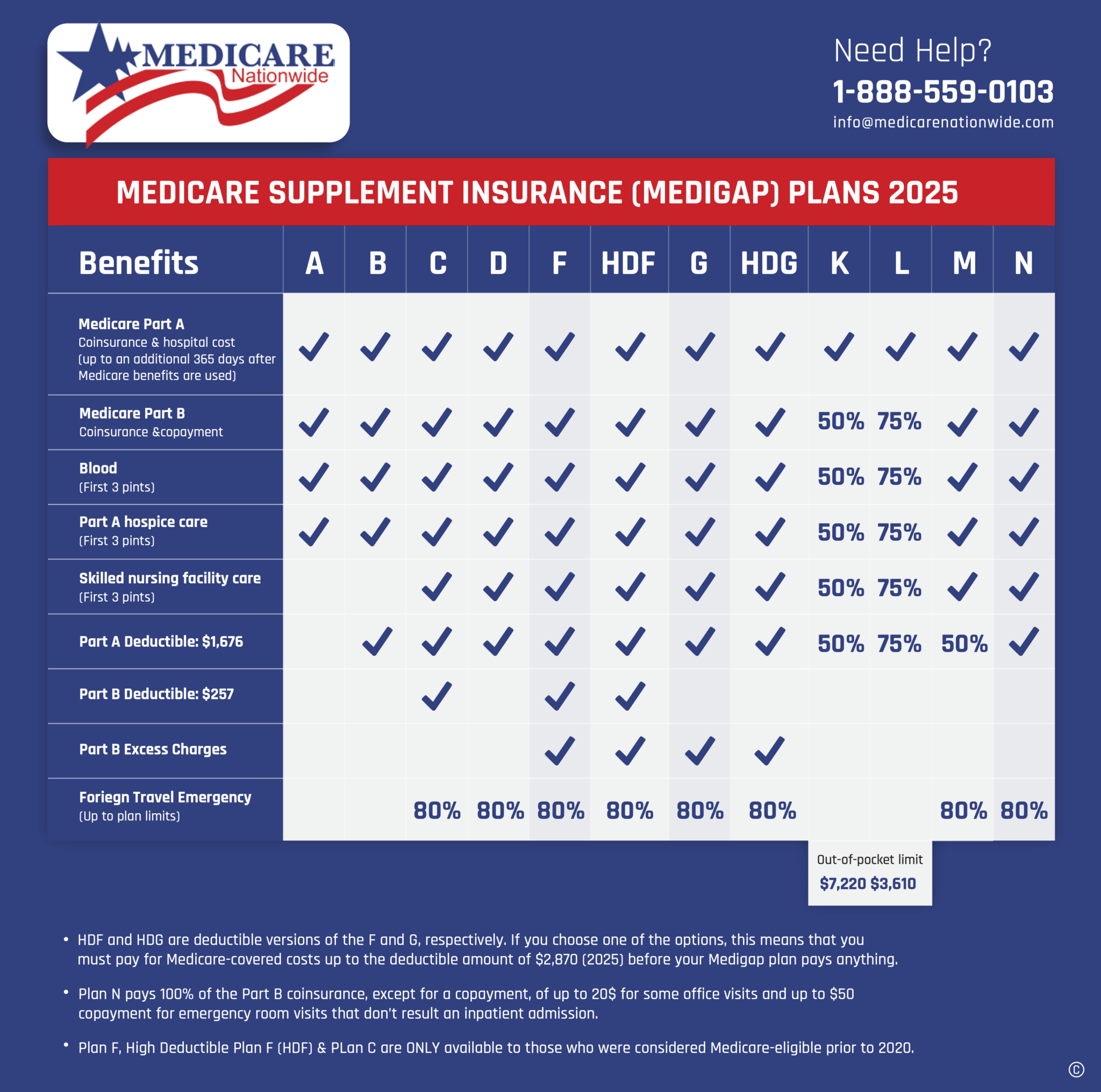
A Humana Medicare Supplement plan can act like a financial shock absorber, helping soften the bills that Original Medicare may leave behind. That matters when a routine visit turns into a scan, a specialist referral, or a hospital stay.
Original Medicare generally helps pay for approved medical services, but it does not erase every cost. Depending on the service, you may still face deductibles, copayments, coinsurance, and excess charges. A Humana Medicare Supplement plan, also called Medigap, is designed to help with some of those remaining expenses, making your costs more predictable when care is medically necessary and Medicare-approved.
Where Surprise Bills Usually Start
The biggest value of Medigap is not extra flash—it is support with the cost-sharing built into Medicare Part A and Part B. While exact benefits depend on the lettered plan you choose, many Humana Medicare Supplement options may help cover hospital coinsurance, skilled nursing coinsurance, Part A deductible amounts, Part B coinsurance, and in some plans, Part B excess charges or foreign travel emergency costs. That said, Medigap is not all-inclusive: it typically does not cover retail prescription drugs, most dental, vision, hearing, long-term custodial care, or services Medicare itself does not approve.
Think of the difference this way: Original Medicare is the foundation, and a Humana Medicare Supplement plan may fill in selected financial gaps. You still need to check whether a service is Medicare-covered in the first place, because Medigap usually helps only after Medicare pays its share of approved costs.
Here are common real-world situations where out-of-pocket support may matter:
- Hospital stay: Original Medicare Part A may leave you responsible for a deductible and extended-stay coinsurance; a supplement plan may help absorb some or all of those charges, depending on the plan.
- Doctor visit or specialist care: Medicare Part B generally pays a large portion of approved charges, but you may still owe coinsurance after the deductible; Medigap may reduce or eliminate that remaining share.
- Emergency room care: If emergency treatment is covered by Medicare, your supplement may help with the Part B coinsurance portion after applicable deductibles.
- Skilled nursing facility recovery: After Medicare’s initial covered period, daily coinsurance can apply; some supplement plans help with those costs.
- Care while traveling abroad: Original Medicare usually offers very limited coverage outside the U.S.; certain Medigap plans may provide a foreign travel emergency benefit within plan limits.
| Service Type | Original Medicare Share | Supplement Support | Member Cost Example |
|---|---|---|---|
| Inpatient hospital care | Part A helps cover approved inpatient costs after deductible rules apply | May help pay Part A deductible and hospital coinsurance, depending on plan | Lower surprise bill for a multi-day stay |
| Doctor or specialist visit | Part B typically pays most approved charges after deductible | May help cover Part B coinsurance; some plans may help with excess charges | Reduced cost for follow-up visits and outpatient treatment |
| Emergency room care | Part B usually covers a portion of approved emergency services | May help with remaining coinsurance for Medicare-approved care | Smaller out-of-pocket amount after urgent treatment |
| Prescription drugs | Original Medicare generally does not cover most outpatient drugs under Parts A and B | Medigap typically does not cover retail prescriptions | Separate Part D plan may still be needed |
Just as important are the gaps that remain. A Humana Medicare Supplement plan usually works with Original Medicare, not instead of it. If you want help with outpatient prescription medications, you will often need a stand-alone Medicare Part D plan. If you expect routine dental cleanings, eyeglasses, hearing aids, or long-term personal care, those costs may still require separate coverage or direct payment.
Pro Tip: Before assuming a bill will be covered, ask two questions: “Is this Medicare-approved?” and “Which part of the bill is deductible, copayment, or coinsurance?” That simple check can reveal whether your supplement is likely to step in.
Plan Comparison, Costs, and Value Factors
When you compare Humana Medicare Supplement options, the smartest move is not chasing the lowest premium at first glance. Real value shows up when a plan keeps your costs calm, your provider choices open, and your budget steady over time.
In many states, Medicare Supplement benefits are standardized by plan letter, which means a Plan G from one insurer covers the same core medical gaps as a Plan G from another. That makes decision-making clearer: instead of guessing whether one carrier’s Plan G is medically “better,” you can focus on price, rate history, discounts, service reputation, and how long you expect to keep the policy. Popular options often include Plan G for broad protection, Plan N for lower premiums with some cost-sharing, and in limited cases Plan A or other lettered plans depending on local availability.
Smart Price Mapping for Long-Term Budget Control
Cost starts with the premium, but premium is shaped by several moving parts. Humana rates may vary based on age, ZIP code, gender in some markets, tobacco use, and whether you qualify for a household discount. Timing matters too: applying during your Medicare Supplement open enrollment window can improve access and reduce underwriting friction, which may affect both availability and long-term affordability. A low premium today can be attractive, but if your goal is durable protection, it helps to weigh predictable out-of-pocket spending, freedom to use Medicare-participating providers, and how the plan may fit years from now, not just this month.
Use this quick comparison to frame common plan types seen in many markets.
| Plan Type | Typical Benefit Strength | Cost Sensitivity | Best-Fit Profile |
|---|---|---|---|
| Plan G | Very strong; covers most major gaps after Part B deductible | Higher premium, lower surprise costs | People who want broad predictability and simple budgeting |
| Plan N | Strong; broad coverage with some copays and Part B excess charge considerations | Moderate premium, moderate cost-sharing | Budget-aware enrollees comfortable with occasional out-of-pocket costs |
| Plan A | Basic standardized core benefits | Lower premium, more exposure to medical costs | Shoppers prioritizing entry-level supplement support |
To judge value with more confidence, organize your comparison around the factors that affect daily use, not just the quote screen.
- Premium: Compare current monthly cost, discount eligibility, and whether tobacco status changes pricing.
- Benefits: Match standardized letter benefits to your preference for fewer bills versus lower premiums.
- Travel needs: Consider how often you want flexibility to see Medicare-accepting providers across states.
- Cost stability: Look at how comfortable you are trading a lower initial premium for more cost-sharing later.
A practical evaluation method is to estimate your yearly experience under each option. Add the annual premium, then layer in likely copays, the Part B deductible where relevant, and any charges you may face if you visit doctors more often. This creates a more honest picture of total spending. For many buyers, paying a bit more for stronger predictability can feel like a better long-term bargain than selecting the cheapest premium and absorbing irregular costs later.
- List the plan letters available in your area from Humana.
- Write down monthly premium, discount opportunities, and any underwriting timing advantage.
- Estimate best-case, typical, and high-use annual costs.
- Choose the option that balances budget comfort with future usability.
Pro Tip: If two standardized plans offer the same lettered benefits, the sharper question is not “Which covers more?” but “Which gives me the most dependable value over the years I expect to keep it?”
Enrollment Rules, Eligibility, and Best Time to Apply
When you apply for a Humana Medicare Supplement plan, timing can shape both your options and your price. Get the window right, and the process is often smoother, faster, and far less restrictive.
Medicare Supplement insurance, also called Medigap, works alongside Original Medicare, so you generally must be enrolled in Medicare Part A and Part B before a policy can begin. In most states, eligibility starts once you are age 65 or older and have both parts active, though some states offer access for people under 65 with certain disabilities. Because Medigap is designed to help pay costs that Original Medicare leaves behind, it does not replace Medicare; it layers on top of it.
Timing Windows That Can Protect Your Choices
The most valuable enrollment window is your Medicare Supplement Open Enrollment Period. This six-month period usually begins the month you are both 65 and enrolled in Part B. During that time, insurers typically must offer you available Medigap plans without using medical underwriting to deny coverage or charge more based on health history. That protection can be especially important if you have ongoing conditions, recent procedures, or prescriptions that might raise concerns later.
Outside that protected window, the rules can change. In many cases, insurers may review your health through medical underwriting, which can affect approval, timing, or premiums. Some applicants still qualify for guaranteed issue rights, such as when losing certain employer or union coverage, moving out of a Medicare Advantage plan’s service area, or when a plan ends or misleads the member. These rights can allow you to buy certain Medigap plans without health screening, but the time limits are strict.
Use the comparison points below to see why applying at the right moment matters so much.
| Enrollment Timing | Typical Underwriting Rule | What It May Mean |
|---|---|---|
| Open Enrollment Period | No health underwriting in most cases | Broader access and fewer barriers |
| Guaranteed Issue Situation | No health underwriting for eligible rights | Protected purchase option if deadlines are met |
| Outside Protected Periods | Medical underwriting may apply | Possible denial, waiting, or higher premium |
Before you submit an application, organize your details carefully so you can compare Humana offers with confidence and spot important policy terms early.
- Confirm that your Part A and Part B effective dates are active and match the start date you want.
- Check whether you are in your six-month Open Enrollment Period or qualify for a guaranteed issue right.
- Gather key information, including Medicare number, effective dates, ZIP code, and a list of current doctors and medications.
- Compare available Humana Medicare Supplement plans in your area, along with premium rating method and household discount rules if offered.
- Review the application questions closely to see whether medical underwriting may be required.
- Read policy documents carefully, paying attention to effective date rules, renewal terms, exclusions, and premium change notices.
Timing caution: Delaying enrollment until after your Open Enrollment Period can reduce plan access and trigger medical underwriting in many states. That may lead to higher premiums, fewer available choices, or even a declined application, especially if your health changes after Part B begins.
If you are retiring soon, switching coverage, or losing another health plan, mark every deadline on your calendar. A well-timed application can preserve protections that are difficult, and sometimes impossible, to recreate later.
Provider Access, Member Experience, and Extra Considerations
Freedom matters just as much as benefits. When people look at a Humana Medicare Supplement policy, they are often buying not only gap protection, but also a smoother day-to-day healthcare experience.
Medicare Supplement plans generally let members see any doctor or hospital in the U.S. that accepts Medicare, without needing a referral or staying inside a narrow network. That broad access can feel refreshingly simple, but one detail deserves extra attention: whether the provider accepts Medicare assignment. Providers who accept assignment agree to Medicare-approved amounts, which helps keep billing more predictable and reduces surprise charges.
Real-World Use Beyond the Policy Brochure
In practical terms, member experience often comes down to how easy the plan feels after enrollment. With Medicare Supplement coverage, claims are typically coordinated automatically once Medicare pays its share, so members usually avoid heavy paperwork. Still, the quality of customer support, billing clarity, online account tools, and issue resolution can shape whether the policy feels effortless or frustrating. A carrier may also offer mobile access, digital ID cards, autopay, and explanations of charges that make routine care easier to manage.
Travel can also influence plan value. Because Medigap policies work with providers nationwide that accept Medicare, they can offer strong domestic flexibility for retirees who split time between states or travel often. Some plans also include limited foreign travel emergency coverage, subject to plan rules and lifetime limits, which may help during unexpected emergencies outside the U.S. That benefit is not unlimited, so travelers should read the fine print carefully before relying on it.
Before enrolling, review the policy with the same care you would give a long-term financial decision. Focus on these checkpoints:
- Read the artikel of coverage and policy documents to confirm how the plan works with Medicare-paid services.
- Check whether your preferred doctors and facilities accept Medicare assignment.
- Review premium history to see how rates may have changed over time in your area.
- Look into complaint patterns, customer service reviews, and responsiveness to billing questions.
- Confirm how payments, claims updates, and account access work through phone and digital channels.
Pro tip: A low premium can look attractive, but a plan that is easier to use, easier to understand, and easier to get support from may deliver better long-term peace of mind.
| Feature | Member Advantage | Possible Limitation | Review Tip |
|---|---|---|---|
| Provider choice | See any U.S. provider that accepts Medicare | Not every provider accepts Medicare assignment | Ask offices directly before first visit |
| Billing process | Often simpler because claims usually flow after Medicare | Confusion can still happen if charges are coded incorrectly | Review statements and call support quickly if something looks off |
| Customer service and digital tools | Online accounts, autopay, and claim tracking save time | Tool quality and support speed vary by carrier experience | Test website and app options before enrolling if possible |
| Travel-related use | Nationwide flexibility and possible limited foreign emergency help | Foreign emergency coverage may have strict limits | Read travel benefit details and lifetime maximums carefully |
Smart shoppers also compare service reputation with the same seriousness they bring to price. A plan that supports clear communication, dependable claims coordination, and portable access across state lines can make Medicare feel far less complicated in everyday life.
Choosing the Right Humana Medicare Supplement Plan

The best Humana Medicare Supplement choice is not always the richest plan or the cheapest premium. It is the plan that fits how often you use care, how much surprise spending you can tolerate, and how steady you want your budget to feel month after month.
A smart way to choose is to balance four factors at once: healthcare frequency, financial comfort, travel habits, and preferred monthly premium range. Someone who sees doctors often or wants tighter cost control may prefer broader protection, while a healthy shopper who values lower monthly bills may accept more out-of-pocket exposure in exchange for premium savings.
Your Personal Fit Map
Start with a simple filter. If you use medical services regularly, dislike unpredictable bills, or travel around the U.S. and want fewer payment surprises, a higher-coverage approach can feel more secure. If you rarely need care, keep a larger emergency cushion, and want a lighter monthly commitment, a lower-premium approach may be the more efficient fit. The key is not chasing the lowest sticker price, but matching the plan style to your real habits.
Use this practical framework before comparing any Humana Medicare Supplement option:
- Healthcare frequency: Frequent visits, specialist care, or ongoing treatment usually favor broader coverage.
- Financial comfort: If unexpected costs create stress, prioritize plans that reduce cost-sharing volatility.
- Travel habits: Regular domestic travelers may value stronger portability and easier budgeting across providers that accept Medicare.
- Monthly premium range: Set a realistic ceiling first, then compare what protection you gain above and below that number.
Think of the trade-off in plain terms. A lower-premium strategy may suit independent savers who want lower fixed costs and can handle occasional medical bills. A higher-coverage strategy may suit retirees who prefer paying more upfront each month in exchange for smoother, more predictable yearly spending.
| Buyer Profile | Priority Need | Suitable Plan Approach | Important Caution |
|---|---|---|---|
| Healthy, budget-focused buyer | Lower monthly premium | Lean toward lower-premium coverage | Check whether occasional deductibles or copays still fit your emergency budget |
| Frequent care user | Fewer surprise costs | Lean toward higher-coverage protection | Do not focus only on premium; estimate total yearly spending |
| First-time Medicare enrollee | Simple, confident decision | Choose based on care habits and open enrollment timing | Late enrollment may reduce options or raise underwriting concerns |
| Predictability seeker | Stable healthcare budgeting | Favor stronger cost-sharing support | Confirm the plan is available in your state and fits long-term affordability |
Before deciding, review this suitability checklist carefully:
- Benefit match: Does the plan align with how often you expect to use care?
- State availability: Humana Medicare Supplement offerings can vary by location.
- Enrollment timing: Applying during your strongest enrollment window can make approval easier.
- Total yearly cost: Add premium, deductible exposure, and likely out-of-pocket spending.
- Budget durability: Ask whether the premium still feels manageable if rates rise over time.
Use this quick decision guide to narrow your direction:
- First-time Medicare users: Start with expected doctor usage and your comfort with medical bill surprises.
- Switchers: Compare your current annual spending against the new premium, not premium alone.
- Cost-predictability seekers: Favor the approach that reduces budgeting guesswork, even if monthly cost is higher.
Pro Tip: If two plans seem close, run a simple “good year vs. bad year” cost estimate. The better choice is often the one that protects your finances in a heavier-use year without straining your monthly budget in a lighter-use year.
Final Thoughts
The right Humana Medicare Supplement plan is not just about paying less today, but about protecting your peace of mind tomorrow. When you compare benefits, timing, provider access, and total yearly costs, you give yourself the power to choose coverage that feels steady, practical, and confidently aligned with your lifestyle.
Frequently Asked Questions
What is a Humana Medicare Supplement plan?
It is insurance that helps pay some healthcare costs not fully covered by Original Medicare, such as coinsurance, copayments, and selected deductibles depending on the plan.
Do I need Original Medicare to enroll?
Yes. You generally must be enrolled in Medicare Part A and Part B to buy a Medicare Supplement policy.
What do popular plan options usually include?
Common choices like Plan G and Plan N often help with hospital and medical cost-sharing, while benefits are standardized by plan letter in most states.
Does a Medicare Supplement plan include prescription drug coverage?
No. You usually need a separate Medicare Part D plan for most prescription medications.
When is the best time to apply?
The strongest time is typically your Medicare Supplement Open Enrollment Period, when you may have better protections and fewer underwriting barriers.
Can I use any doctor with this coverage?
In many cases, yes, if the provider accepts Medicare patients. This makes Medicare Supplement plans attractive for people who value provider choice.
Who may benefit most from this type of plan?
Frequent healthcare users, retirees who want predictable costs, and budget-conscious enrollees who prefer fewer billing surprises often find strong value in this coverage.