Finding the best insurance rates in NC is not about chasing the lowest number on a screen. It is about uncovering the sweet spot where price, protection, and peace of mind meet. In North Carolina, your age, driving history, ZIP code, coverage limits, credit-based profile where allowed, and claim record all shape what you pay, while state rules and insurer risk models quietly steer the final quote.
Smart shoppers win by comparing equal coverage, not just flashy discounts. Urban ZIP codes often bring higher auto premiums because of traffic, theft, and claim frequency, while many rural areas may cost less but can still rise due to long emergency response times or storm exposure. The real advantage comes from knowing which policy type fits your life, which trade-offs are worth it, and which savings moves cut cost without stripping protection.





Understanding Insurance Pricing in North Carolina
In North Carolina, insurance prices are not random; they are built from personal risk signals, local conditions, and state rules. If you know what carriers measure, you can read a quote like a strategist instead of a shopper guessing in the dark.
Across auto, home, and related personal policies, insurers usually start with a baseline rate and adjust it using data tied to age, driving record, ZIP code, coverage limits, credit profile, and claim history. Younger drivers often pay more because they are statistically linked to higher loss frequency, while drivers with clean records usually earn better pricing over time. Higher liability limits, lower deductibles, and add-ons such as comprehensive coverage can raise premiums because the insurer may pay more after a loss. Credit-based insurance scoring, where allowed, can also influence rates because many carriers connect weaker credit patterns with higher claim risk. A recent claim or multiple claims may signal future loss potential, which can push pricing upward.
Why Your ZIP Code and Risk Signals Move the Needle
Location matters in a very practical way. Insurers study how often accidents, theft, storm damage, lawsuits, and repair costs happen in specific areas, then blend that local data with your individual profile. In North Carolina, urban and rural ZIP codes can produce noticeably different premiums, even when two people buy similar coverage.
For a quick reference, here is how ZIP code patterns often shape pricing:
- Urban ZIP codes: Usually higher premiums due to heavier traffic, more frequent crashes, theft exposure, and higher repair or medical costs.
- Rural ZIP codes: Often lower auto premiums because of lighter traffic, but severe weather, long emergency response times, or deer collisions can still increase risk.
- Coastal areas: Property insurance can rise because wind, hail, and hurricane exposure increase expected losses.
- Growing suburbs: Prices may climb as congestion, claim frequency, and replacement costs rise faster than buyers expect.
North Carolina regulations also shape what you pay. The state sets minimum coverage requirements for drivers, and those legal floors influence how insurers structure entry-level policies. Regulators oversee rate filings and market conduct, but individual insurers still use proprietary risk models to decide how much weight to give each rating factor. That means two companies can look at the same driver or homeowner and reach different prices based on their underwriting formulas, target customers, and loss experience.
The table below shows the rating factors shoppers should watch most closely:
| Rating Factor | Effect on Cost | Most Impacted | How to Reduce Premium |
|---|---|---|---|
| Age and experience | Younger or newly insured applicants often pay more | Teen drivers, new drivers, first-time buyers | Stay insured, complete approved training, compare carriers regularly |
| Driving record and claims | Tickets, at-fault accidents, and recent claims can sharply raise rates | Drivers with violations or repeated losses | Drive claim-free, avoid small claims when practical, maintain safe habits |
| ZIP code and property location | Dense traffic, theft, storms, or coastal exposure can increase premiums | Urban residents, coastal homeowners | Use protective devices, garage vehicles, strengthen homes against weather |
| Coverage limits and credit profile | Higher limits and weaker insurance scores may cost more | Drivers needing broader protection or with lower credit standing | Raise deductibles carefully, improve credit habits, remove unnecessary extras |
Pro Tip: The cheapest quote is often the result of both your profile and the insurer’s model. If one rate feels too high, it may reflect a company mismatch, not a permanent price ceiling for you.
State rules create the frame, but insurer risk models paint the final picture. That is why the smartest North Carolina shoppers focus on the variables they can influence: cleaner records, fewer claims, stronger credit behavior, and coverage choices that protect without overpaying.
Comparing the Most Affordable Coverage Types and Providers
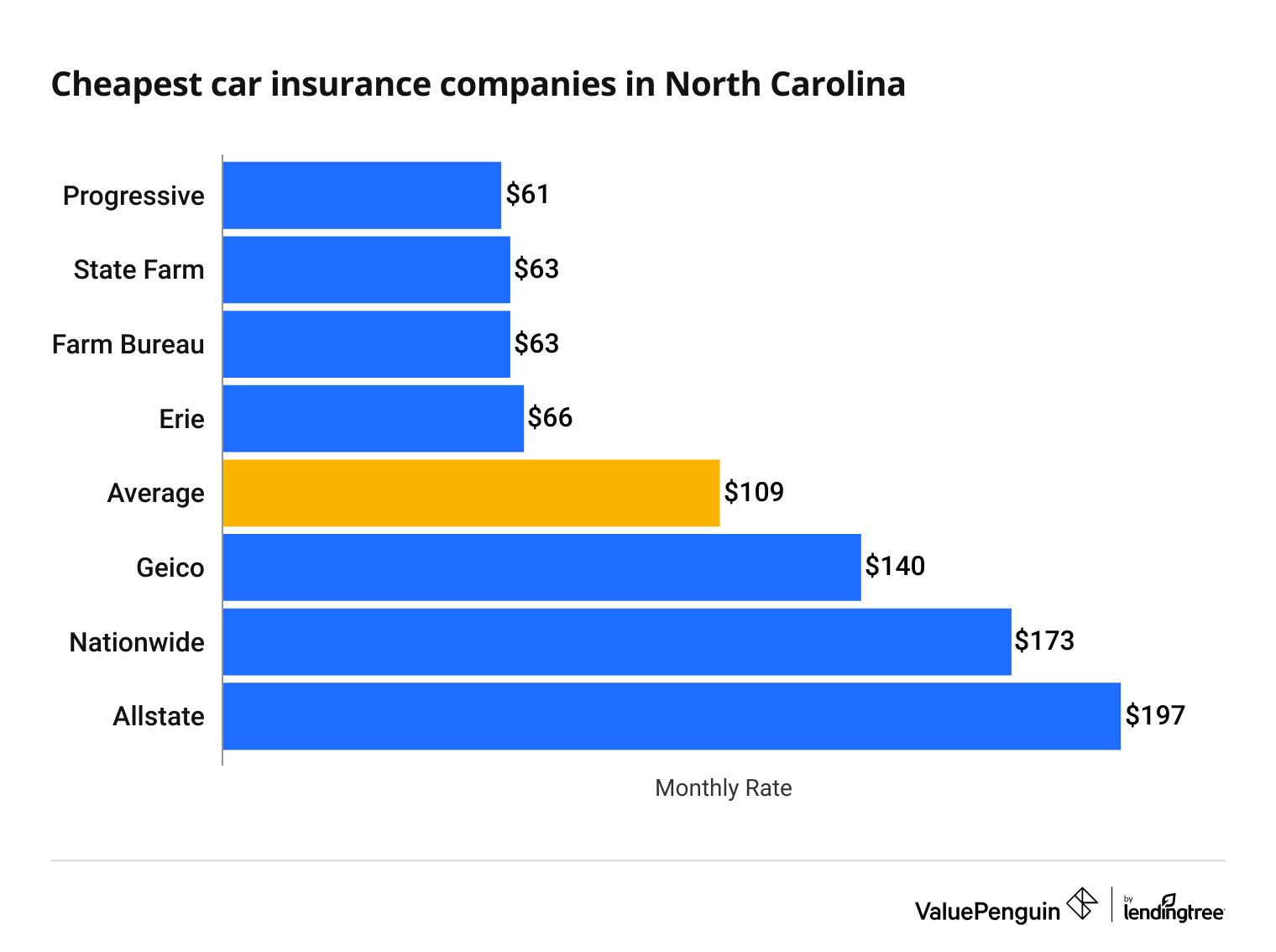
The cheapest premium in North Carolina can feel like a win—until a claim exposes the gaps. Smart shoppers look for the sweet spot where monthly savings still protect their car, home, bike, or belongings when life gets expensive fast.
Rate shopping also changes by coverage type. Auto quotes swing heavily on driving history and vehicle details, while home insurance depends more on rebuild cost, roof age, location, and prior claims. Renters coverage is often inexpensive, but limits and add-ons matter more than the base price, and motorcycle policies can vary sharply based on seasonality, bike type, and rider experience.
Where Low Price Meets Real Protection
In North Carolina, the most affordable option is not always the most useful one. A policy becomes a good value when it balances premium, deductible, exclusions, claims reputation, and the endorsements that keep small problems from becoming major out-of-pocket losses.
Use this quick comparison to see how shopping strategy shifts across major policy types.
| Coverage Type | Typical Cost Drivers | Ideal Customer Profile | Important Trade-Offs |
|---|---|---|---|
| Auto | Age, ZIP code, driving record, vehicle, mileage, credit-based factors where allowed | Drivers who can compare liability-only, full coverage, and bundle discounts | Lowest rates may mean high deductibles, limited rental coverage, or weak claim support |
| Home | Dwelling value, roof condition, claims history, fire protection class, coastal or storm exposure | Owners with newer roofs, updated systems, and strong home-security features | Cheap policies may cap water damage, reduce replacement cost, or exclude key endorsements |
| Renters | Location, personal property limit, deductible, liability amount, pet or water-risk factors | Tenants wanting low premiums plus liability and enough coverage for electronics or furniture | Budget plans may offer low personal property limits or exclude identity theft and valuables |
| Motorcycle | Bike class, engine size, rider experience, storage, annual mileage, violation history | Seasonal riders, experienced riders, and owners of lower-risk bikes seeking storage savings | Cheaper coverage may skip accessory protection, medical payments, or uninsured motorist upgrades |
Low-cost choices can absolutely make sense when matched to the right buyer. The key is choosing the leanest structure that still fits your actual risk.
- Liability-only auto: Best for owners of older paid-off cars who could afford to replace the vehicle themselves.
- Higher-deductible home insurance: Best for homeowners with emergency savings who want to cut premiums without stripping core protection.
- Basic renters coverage: Best for tenants with modest possessions who mainly need liability coverage and landlord-required insurance proof.
- Limited-use motorcycle policies: Best for occasional riders who store bikes securely and ride fewer miles each year.
Before calling a quote “cheap,” check what is missing. Deductibles affect what you pay first, exclusions define what is not covered, claim service shapes how smoothly losses are handled, and endorsements can add real-world value such as roadside help, replacement cost for belongings, water backup protection, or accessory coverage for bikes.
- Compare the same limits and deductibles across insurers before judging price.
- Review excluded losses, especially water, wind, custom parts, and high-value items.
- Look for discounts that do not weaken coverage, such as bundling, paperless billing, or safe-driver programs.
- Read customer feedback on claims responsiveness, not just quote speed.
Pro Tip: If two North Carolina policies are close in price, the better value usually comes from broader coverage wording and more reliable claims handling—not from shaving off a few extra dollars a month.
Practical Ways to Lower Insurance Costs in NC
Finding a better price in North Carolina is not about buying less protection; it is about buying smarter. The best savings usually come from stacking discounts, tightening risk factors, and comparing quotes with a clear plan.
Insurance companies in NC reward customers who look stable, careful, and lower-risk on paper. That means small moves like bundling policies, installing home safety devices, choosing annual billing, or raising deductibles can lower premiums in a meaningful way, while still keeping the liability, dwelling, collision, or comprehensive protection that matters when a claim hits.
Smart Discount Stacking That Keeps Protection Intact
The strongest strategy is to combine pricing levers you control with coverage choices you should not undercut. For example, a higher deductible may reduce your premium, but only if you can comfortably afford that amount in an emergency. Likewise, telematics or mileage-based programs can work well for low-mile drivers, while home alarm systems and leak detectors may unlock property discounts and reduce real claim risk at the same time.
Discounts can vary widely by insurer and by policy type, so shoppers should expect different results for auto, home, renters, and bundled packages. One carrier may be generous with safe-driver savings, while another may offer stronger home-and-auto bundling or better annual-pay discounts.
| Method | How It Helps in NC | Best For |
|---|---|---|
| Bundling | Combines auto, home, or renters for multi-policy savings | Households with more than one policy |
| Safe-driver discount | Rewards clean records, defensive habits, and sometimes telematics data | Drivers with few or no violations |
| Home safety upgrades | May cut home premiums through alarms, smoke detectors, deadbolts, leak sensors | Homeowners and some renters |
| Higher deductible | Lowers monthly or annual cost if out-of-pocket risk is manageable | People with emergency savings |
| Annual payment | Avoids installment fees and may trigger pay-in-full discounts | Budget-stable shoppers |
| Mileage-based program | Can reduce auto costs for low-mile drivers | Remote workers and light commuters |
The most common savings opportunities available in North Carolina include the following:
- Multi-policy bundling for auto and home or renters
- Safe-driver, claims-free, and violation-free discounts
- Low-mileage or usage-based driving programs
- Paid-in-full or annual payment savings
- Paperless billing and automatic payment discounts
- Protective device discounts for alarms, sprinklers, smoke detectors, and smart leak monitors
- Higher deductible choices for drivers and homeowners who can absorb more upfront cost
- Good student, mature driver, or homeowner tenure discounts when available
To compare quotes without sacrificing essential protection, follow a disciplined process instead of chasing the lowest number first.
- Set one baseline for every quote, using the same liability limits, deductibles, and optional coverages.
- Keep core protection strong, especially bodily injury liability, property damage liability, and enough dwelling or replacement cost coverage.
- Request quotes from several insurers and ask each one to apply every available discount.
- Compare total annual cost, not just monthly payments, because installment fees can distort the real price.
- Review exclusions, claim handling features, and endorsement differences before choosing the cheapest offer.
- Re-check the best two quotes after adjusting only one variable at a time, such as deductible or bundle status.
Pro Tip: Cut waste, not protection. Raise deductibles only to a level your savings can handle, drive fewer miles when possible, bundle strategically, improve home safety, and shop rates at every renewal or after a life change. Those habits reduce cost while preserving the coverage strength that protects your finances.
Used well, these tactics turn premium shopping into a precision exercise rather than a gamble. The goal is simple: remove hidden inefficiencies, capture insurer-specific discounts, and protect the parts of your policy that would be hardest to replace after a serious loss.
Rate Comparison by Driver, Property, and Risk Profile
The best insurance rates in NC rarely go to a “standard” shopper, because real pricing moves with age, driving history, housing status, and risk signals. A quote that feels expensive for one household can be surprisingly competitive for another.
In North Carolina, insurers often sort customers into pricing bands based on how likely they are to file claims and how costly those claims may be. Young drivers and teen-driver households usually face the sharpest premiums because limited experience raises accident odds, while seniors may see better pricing if they keep low mileage and a clean record. Military families can benefit from affinity discounts, but frequent moves or garaging changes may affect rates. Homeowners often unlock bundling advantages, while renters may pay more for auto alone but can still save by pairing low-cost renters coverage with their vehicle policy. High-risk drivers, especially those with tickets, DUIs, prior claims, or a lapse in coverage, almost always see the steepest jumps. In many cases, credit-based insurance scores where legally permitted can also widen price gaps between two otherwise similar applicants.
How Life Stage and Risk Signals Reshape Premiums
Think of rates as a moving target shaped by your personal profile, not just your ZIP code. Someone with a spotless record, stable coverage history, and strong insurance score may land near the lower end of the market, while a driver with recent claims or a break in coverage can be pushed into a far more expensive tier. The biggest wins usually come from matching your situation to the right insurer and adjusting coverage carefully rather than buying the same setup as everyone else.
Here is how personal circumstances can shift premium ranges in practical terms:
- Young driver, clean record: premiums often start high, but good-student discounts, safe-driving apps, and staying on a parent policy can noticeably reduce costs.
- Household with a teen driver: rates may jump dramatically after adding the teen, especially on newer vehicles with collision coverage.
- Senior driver with low annual mileage: pricing may improve if the record is clean and the policy favors occasional driving patterns.
- Military family: deployment, storage discounts, and insurer loyalty programs can lower rates, though relocation may reset quote comparisons.
- Homeowner bundling auto and home: combined policies often produce lower total premiums than buying auto alone.
- Renter with no prior coverage lapse: adding renters insurance may create a small bundle discount that offsets part of the auto premium.
- Driver with prior claims: even one at-fault claim can move premiums into a higher bracket for several policy terms.
- Driver with a lapse or weak insurance score: insurers may treat the profile as less stable, which can raise quotes even without recent tickets.
| Profile Type | Common Rate Challenges | Best Savings Strategies | Suitable Coverage Adjustments |
|---|---|---|---|
| Young drivers / teen households | Limited experience, higher claim risk | Good-student discounts, telematics, shared family policy | Higher deductible on older cars; review collision need |
| Seniors / low-mileage drivers | Age-based underwriting changes, fixed income pressure | Low-mileage programs, defensive driving, quote often | Right-size annual mileage and optional extras |
| Military families / homeowners / renters | Frequent moves, policy fragmentation, missed bundles | Military discounts, multi-policy bundling, stable renewal timing | Bundle home or renters; align liability across policies |
| High-risk or previously uninsured drivers | Claims, violations, coverage lapses, poor insurance score | Maintain continuous coverage, compare nonstandard carriers, improve score factors | Keep essential liability strong; trim nonessential add-ons |
When comparing quotes, focus on how insurers react to the same facts differently. A clean-record homeowner in NC may see a far lower range than a renter with a recent lapse, even if both drive the same car, while a military household with bundled coverage may outperform both.
Pro Tip: If your profile just changed—such as paying off a claim-free year, buying a home, or removing a teen from the policy—requote immediately, because those life shifts can unlock a cheaper rating tier fast.
How to Evaluate Quotes and Policy Fine Print
The cheapest quote can be the most expensive mistake if you only scan the premium. To find the best insurance rates in NC, read every quote like a buyer with x-ray vision, not a shopper chasing the lowest number.
A smart comparison starts with the parts that actually control your protection and your out-of-pocket cost. Every quote should clearly show liability limits, collision and comprehensive selections, deductibles, excluded losses, endorsements or add-ons, and claim handling terms, such as how repairs are approved, whether original manufacturer parts are covered, and how rental reimbursement works. If one company quotes lower limits or strips away benefits, the price may look better while the policy delivers much less when you need it most.
The Quote Reality Check
Fair quote shopping means comparing policies on an equal playing field. Match the same liability limits, medical or personal injury protections where relevant, uninsured or underinsured motorist coverage, deductibles, and optional features across carriers. For auto, for example, a quote with 30/60/25 limits should not be compared against one with 100/300/100. For homeowners or renters, confirm dwelling, personal property, loss-of-use, and liability amounts are aligned before judging price. When details match, you can see which insurer is truly offering value rather than hiding behind a stripped-down offer.
| Quote Element | What to Review | Why It Matters |
|---|---|---|
| Liability limits | Bodily injury and property damage amounts | Low limits can leave you paying the difference after a major claim |
| Collision and comprehensive | Whether both are included and for which vehicles or risks | Removing one can make a quote look cheap while cutting key protection |
| Deductibles | Dollar amount for each coverage type | Higher deductibles reduce premium but raise your upfront claim cost |
| Exclusions | Named events, drivers, property types, or usage restrictions not covered | Exclusions create the gaps that surprise buyers later |
| Endorsements | Add-ons such as roadside assistance, water backup, replacement cost | These shape convenience, repair quality, and payout levels |
| Claim terms | Repair network rules, payout methods, wait periods, support access | Fast, fair claims service matters as much as the premium |
Watch for warning signs that a low price is doing too much cosmetic work. Common red flags include broker or installment fees not highlighted upfront, very high deductibles, named-driver or named-peril restrictions, actual cash value instead of replacement cost, weak rental or loss-of-use benefits, and vague wording around claims service. Also pay attention to customer reviews focused on payout delays, communication problems, or unexpected denial reasons. A policy that saves a few dollars each month but fights you during a claim is rarely a bargain.
Before you buy, run through this checklist so the premium number does not distract you from the policy details that truly matter.
- Confirm all quotes use the same liability limits, deductibles, and optional coverages.
- Check whether collision and comprehensive are both included, removed, or altered.
- Read the exclusions section for driver limits, business-use restrictions, weather gaps, or property carve-outs.
- Review endorsements to see what is standard versus extra-cost.
- Ask about fees, payment-plan charges, cancellation penalties, and policy rewrite costs.
- Verify claim handling details, including repair choice, parts used, rental coverage, and response availability.
- Look up complaint patterns and claim satisfaction, not just star ratings.
- Request the full policy sample if any quote language feels vague or incomplete.
Pro Tip: Ask each insurer or agent to mark the exact page where limits, exclusions, endorsements, and deductibles appear. That simple request often reveals who is transparent, who is rushing, and which quote deserves your trust.
North Carolina-Specific Shopping Tips and Visual Content Ideas
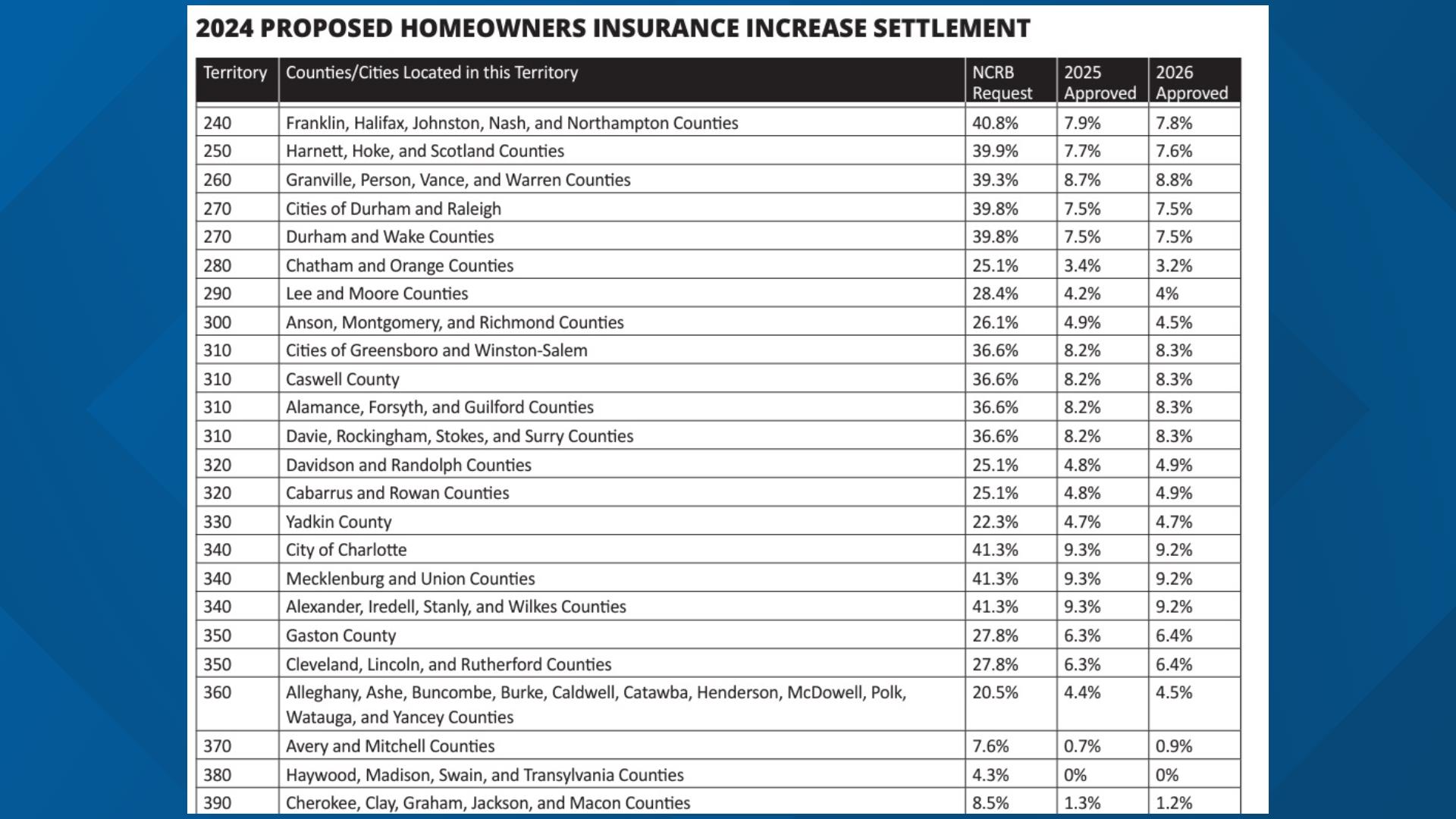
In North Carolina, smart insurance shopping is not just about comparing prices; it is about reading the map, the season, and the local risk story behind every quote. A low rate in one ZIP code can look very different a few counties away.
Pricing often shifts because North Carolina blends mountain weather, inland storm exposure, crowded metro traffic, and higher coastal risk into one market. That means shoppers should weigh wind and hail exposure, flood-prone locations, uninsured motorist protection, and regional insurer appetite before choosing a policy that only looks cheap at first glance.
Regional Rate Triggers and Smart Timing Moves
Start by matching your quote strategy to where you live. Coastal homeowners may face higher premiums or separate deductibles due to hurricane exposure, while inland drivers around Charlotte, Raleigh, or Greensboro may see rates influenced more by traffic density, claim frequency, and repair costs. In many parts of the state, uninsured or underinsured motorist concerns also matter, especially for drivers who want stronger financial protection after a crash.
Timing can be a quiet advantage. Request quotes three to four weeks before renewal, because last-minute shoppers often have fewer options and less room to compare endorsements, discounts, and deductibles. For home insurance, review coverage before hurricane season and after major home upgrades. For auto insurance, revisit rates after life changes like moving, adding a safe driver, paying off a vehicle, or changing commute mileage.
Use this quick regional snapshot to anchor your comparison process.
| Regional factor | Affected policy types | Potential cost impact | Recommended shopper action |
|---|---|---|---|
| Coastal hurricane and wind exposure | Home, condo, renters | Higher premiums, separate wind deductibles | Ask about wind exclusions, flood gaps, and deductible structure |
| Urban congestion in major metros | Auto | Higher liability and collision rates | Compare telematics, bundling, and higher deductibles carefully |
| Mountain weather and storm damage | Home, auto | More claims tied to ice, fallen trees, hail | Check comprehensive and dwelling limits before storm season |
| Local uninsured driver exposure | Auto | Greater need for stronger protection | Review uninsured/underinsured motorist limits, not just base price |
When you review offers, make the visuals work for you. These illustration concepts can turn a dense insurance topic into something instantly understandable and more persuasive for readers.
- Side-by-side rate comparison scene: Show two North Carolina households comparing quotes on laptops, with price tags, deductibles, and covered risks displayed in clean columns.
- Driver and homeowner profiles: Present a young city commuter, a suburban family, a coastal homeowner, and a mountain property owner, each with callouts showing why rates differ.
- Discount examples: Visualize bundle savings, safe-driver rewards, paperless billing, security system credits, and claim-free discounts as stacked badges or coupon-style blocks.
- Policy feature breakdown: Use a layered card layout to separate liability, collision, comprehensive, dwelling, personal property, flood gaps, and uninsured motorist coverage.
For annual reviews, follow a simple sequence so nothing important slips through the cracks.
- Pull your current declarations page and last renewal premium.
- Update mileage, drivers, property improvements, and claims history.
- Request fresh quotes from multiple carriers before renewal notice pressure builds.
- Compare total cost against protection quality, especially deductibles and exclusions.
Pro Tip: In North Carolina, the cheapest quote can become the costliest mistake if it ignores coastal wind exposure, flood limitations, or weak uninsured motorist limits. Shop early, compare locally, and let geography shape your decision.
Strong shoppers treat ZIP code, season, and risk profile as pricing tools, not background details. That mindset helps reveal which policy is genuinely affordable and which one is simply underbuilt for North Carolina realities.
Closure
The best insurance rates in NC belong to people who shop with strategy, not speed. Match quotes line by line, review deductibles, exclusions, endorsements, and claim support, then use discounts like bundling, safe-driver programs, home security upgrades, annual payments, or mileage-based plans to sharpen the price. When you compare with clarity, you do more than save money—you build smarter protection for every mile, every home, and every season in North Carolina.
Frequently Asked Questions
What affects insurance rates most in North Carolina?
Key factors include age, driving record, location, coverage limits, prior claims, vehicle or property risk, and insurance score factors where permitted.
Do urban and rural ZIP codes change premiums?
Yes. Urban areas often cost more due to congestion, theft, and claim frequency, while rural areas may be cheaper but can rise because of weather or repair access.
How can I compare quotes fairly?
Use the same liability limits, deductibles, collision and comprehensive options, endorsements, and payment terms across every insurer.
What makes a cheap policy risky?
Low prices can hide high deductibles, weak claim service, narrow exclusions, reduced limits, or missing endorsements that leave major gaps.
Which discounts are common in NC?
Bundling, safe-driver discounts, defensive driving courses, anti-theft devices, home safety upgrades, paperless billing, annual pay, and low-mileage programs are common.
Who usually pays higher premiums?
Teen drivers, high-risk drivers, households with prior claims, people with lapses in coverage, and coastal property owners often see higher rates.
When should I shop for better rates?
Request quotes before renewal, after life changes, after improving your driving record, or during an annual coverage review to capture better pricing.