Phoenix moves fast, heats up hard, and throws surprises from freeway congestion to monsoon storms. That is why choosing the right Allstate insurance options in Phoenix, AZ is not just about checking a box. It is about shaping protection that fits your car, home, condo, rental, motorcycle, and even your family’s long term future with life insurance.
The smartest policy mix often reflects local reality. Busy commutes may call for stronger auto protection, desert heat can raise vehicle wear concerns, and neighborhood factors may influence property and liability needs. Whether you are a homeowner, renter, student driver, growing family, or rideshare worker, the right coverage can turn uncertainty into confidence and keep your budget focused on value, not just the lowest premium.





Overview of Allstate Insurance Options in Phoenix, AZ
In Phoenix, insurance works best when it fits the rhythm of desert living: heavy traffic, intense heat, monsoon bursts, and fast-changing neighborhoods. Allstate offers a broad menu of protection, letting drivers, homeowners, renters, and families shape coverage around real local risks instead of one-size-fits-all assumptions.
The main options typically include auto, home, renters, condo, motorcycle, and life insurance. In a city where daily commuting on I-10, Loop 101, and surface streets can raise accident exposure, and where summer heat, dust, hail, and wind can stress roofs, vehicles, and personal property, choosing the right policy mix matters. Neighborhood factors also play a role: gated communities, condo developments, apartment living, and areas with higher theft or storm exposure may influence how much protection feels practical.
Phoenix Risk Snapshot by Policy Type
Auto insurance may suit commuters, families with multiple vehicles, and rideshare-heavy households; home insurance often helps owners protecting the structure and detached features; renters insurance is useful for apartment tenants who want affordable protection for belongings and liability; condo insurance can help unit owners cover interior finishes and gaps left by HOA master policies; motorcycle insurance may fit year-round riders facing traffic and road debris; and life insurance is often valuable for parents, homeowners, business owners, or anyone wanting income replacement and long-term financial support.
| Policy Type | Core Protections | Typical Users | Optional Add-Ons |
|---|---|---|---|
| Auto | Liability, collision, comprehensive, medical-related coverage | Commuters, families, new drivers | Roadside, rental reimbursement, uninsured motorist |
| Home | Dwelling, other structures, personal property, liability | Single-family homeowners | Scheduled items, water backup, extended dwelling |
| Renters / Condo | Belongings, liability, loss of use, interior improvements for condos | Tenants, condo owners, seasonal residents | High-value electronics, identity restoration, assessment coverage |
| Motorcycle / Life | Bike damage and liability; death benefit and financial protection | Riders, parents, breadwinners, planners | Accessory coverage; term riders or child riders |
Arizona residents often look beyond the basics when tailoring protection. These endorsements or enhancements can make a policy feel more tuned to Phoenix realities.
- Uninsured/underinsured motorist coverage for dense traffic corridors and serious injury risk.
- Comprehensive auto coverage for hail, falling debris, theft, vandalism, and cracked glass.
- Roadside assistance for breakdowns during extreme summer heat.
- Water backup or limited water damage options where sudden drainage or plumbing issues matter.
- Scheduled personal property coverage for jewelry, collectibles, or business equipment kept at home.
- Extended replacement cost or increased dwelling limits for rebuilding cost swings.
- Identity theft restoration or electronic data recovery for connected households.
Pro Tip: In Phoenix, the smartest coverage choice is often not the cheapest policy, but the one that reflects how you actually live—how far you drive, whether you rent or own, what you store at home, and how exposed your property is to heat, wind, and storm surprises.
Auto Insurance Coverage and Local Phoenix Considerations
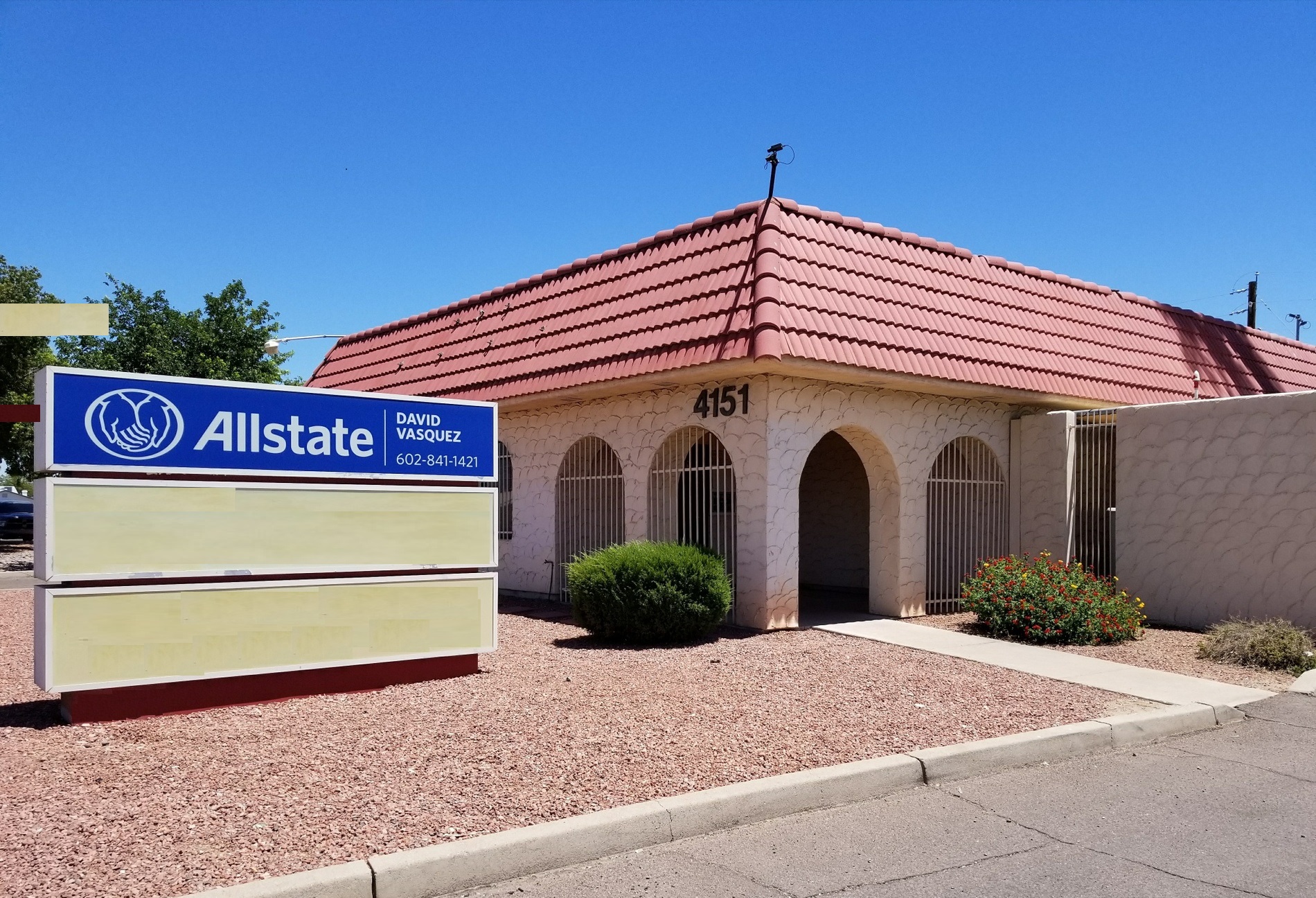
Phoenix driving is rarely gentle on a vehicle. From packed freeways to sun-scorched parking lots, the right auto coverage can help turn local hazards into manageable setbacks instead of budget-breaking surprises.
Arizona requires minimum liability insurance, but many Phoenix drivers look beyond the legal baseline because daily conditions can raise the odds of damage, delays, and out-of-pocket costs. Liability helps with injuries or property damage you cause to others, while collision can help repair your car after a crash and comprehensive can help with non-collision losses such as hail, theft, or broken glass. Many also consider uninsured/underinsured motorist coverage, medical payments, and roadside assistance for broader day-to-day protection.
Phoenix Road Reality Check
State minimums may satisfy Arizona law, but they may not fully reflect Phoenix realities like dense commuting corridors, distracted drivers, sudden monsoon storms, and intense heat that wears down batteries and tires. Broader protection choices can be especially valuable when you rely on your car for work, school, family schedules, or app-based driving.
| Coverage Type | What It Protects | Common Phoenix Risks | When It May Be Useful |
|---|---|---|---|
| Liability | Injuries or property damage you cause to others | Heavy traffic, rear-end crashes, multi-car freeway accidents | Required by Arizona; higher limits may help protect savings |
| Collision | Your vehicle after an impact, regardless of fault | Rush-hour collisions, parking lot damage, intersection accidents | Often considered for newer, financed, or regularly driven vehicles |
| Comprehensive | Non-collision damage or loss | Hail, theft, vandalism, falling debris, windshield damage | Helpful if your car sits outside or you want protection beyond crashes |
| UM/UIM, MedPay, Roadside | Costs tied to uninsured drivers, medical bills, or breakdown help | Uninsured motorists, heat-related breakdowns, roadside emergencies | Useful for frequent commuters, families, and drivers far from home |
Here is how common coverage choices can fit different Phoenix driving patterns. The best mix often depends on how much you drive, what your vehicle is worth, and how disruptive a breakdown or claim would be to your routine.
- Commuters: Often benefit from stronger liability limits, collision, and roadside assistance because daily freeway mileage raises exposure to crashes and tire or battery trouble.
- Students: May focus on affordable essentials, but uninsured motorist coverage and medical payments can add a valuable cushion if budgets are tight after an accident.
- Families: Frequently consider higher liability limits, comprehensive, and medical payments when multiple passengers, carpools, and busy schedules make reliability critical.
- Rideshare drivers: May want to review policy details carefully since standard personal coverage may not fully align with app-based driving periods and higher road time.
Pro Tip: In Phoenix, windshield damage is more than a cosmetic annoyance. Gravel, highway debris, and rapid temperature swings can turn a small chip into a large crack fast, making comprehensive coverage worth a closer look for many drivers.
Pro Tip: Arizona minimum liability limits can be a starting point, not always a comfort zone. If you have assets to protect or drive often in congested areas, higher limits may offer more breathing room after a serious accident.
When comparing options, think in terms of risk tolerance, vehicle value, and daily dependence on your car. A paid-off older vehicle may lead one driver to skip collision, while a newer SUV parked outdoors in storm season may make comprehensive and roadside support feel far more essential.
Home, Renters, and Property Protection in Phoenix
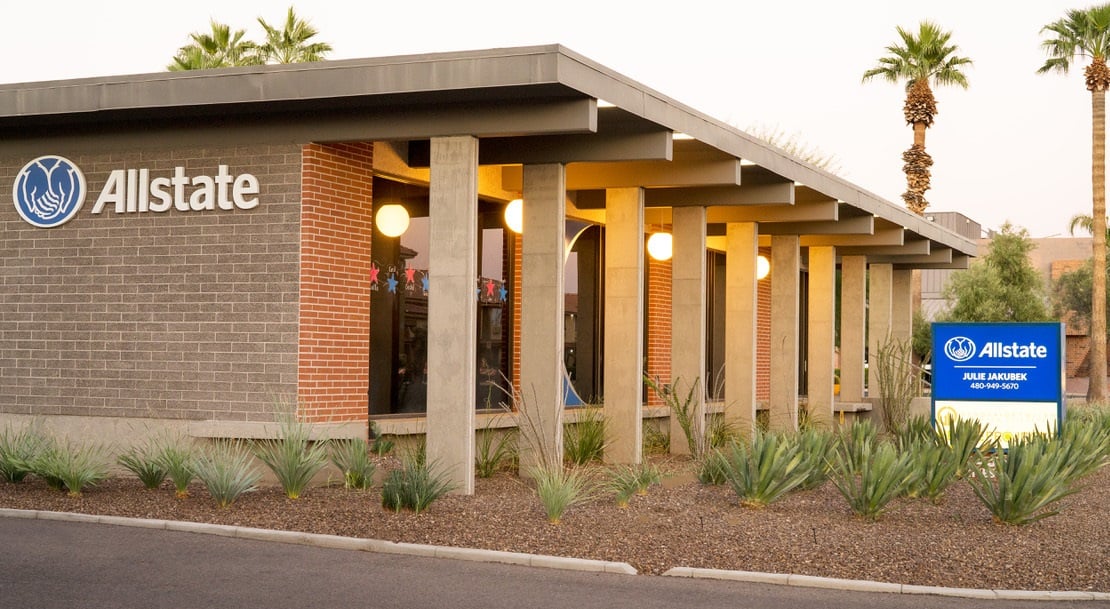
In Phoenix, property insurance is not just about replacing walls or furniture; it is about protecting your day-to-day stability when heat, wind, dust, or sudden water damage disrupts home life. The right policy can turn a stressful setback into a manageable repair and recovery process.
Homeowners and renters coverage can help address common local risks such as fire, monsoon-driven rain and wind, blowing dust, theft, and everyday liability claims. For homeowners, protection usually extends to the structure itself plus belongings inside. Renters coverage usually focuses on personal belongings, temporary living costs after a covered loss, and liability if someone is injured in the rented space. Condo insurance often fills the gap between the condo association’s master policy and the owner’s interior improvements, contents, and personal liability exposure.
What Each Layer of Protection Really Does
Dwelling coverage helps repair or rebuild the physical home after covered damage, including parts of the roof, walls, attached garage, or built-in systems. Personal property coverage helps replace items such as clothing, electronics, furniture, and appliances if they are damaged by a covered event or stolen. Loss of use can help with hotel bills, meals, and extra living expenses if the home becomes temporarily unlivable after a covered claim. Personal liability may help if you are legally responsible for bodily injury or property damage to others, while guest medical protection can help pay smaller medical bills for a visitor injured on the property, regardless of fault in many situations.
| Policy Type | Property Covered | Liability Features | Notable Exclusions |
|---|---|---|---|
| Homeowners | Dwelling, other structures, personal belongings, loss of use | Personal liability and guest medical coverage | Flooding, normal wear and tear, maintenance neglect, some sewer backup issues |
| Renters | Personal belongings, loss of use; not the building itself | Personal liability and guest medical coverage | Damage to the building, flood losses, high-value items beyond limits unless scheduled |
| Condo | Interior unit features, personal property, certain upgrades, loss of use | Personal liability and guest medical coverage | Exterior building elements handled by HOA policy, flood losses, maintenance-related damage |
Here are practical examples that show how these coverages may matter in real Phoenix situations:
- A monsoon storm tears shingles loose and rain enters through the roof; dwelling coverage may help with covered interior and structural repairs, while maintenance-related roof wear may not be covered.
- A clogged or aging roof drainage area allows water intrusion over time; sudden accidental damage may be treated differently from long-term neglect.
- A pipe bursts in an upstairs bathroom and damages flooring, drywall, and furniture; dwelling and personal property coverage may both apply, but the failed pipe itself may not always be covered.
- A renter returns to find a broken window and stolen laptop, jewelry, and camera gear; personal property coverage may help, subject to deductibles and special item limits.
- A guest slips on wet tile after wind-driven rain blows indoors from an open patio door; guest medical or personal liability coverage may help depending on the facts.
Insurance choices can also vary across Phoenix neighborhoods and housing types. Older homes may need closer review of roofing, plumbing, and electrical systems. Properties near wash areas or lower-lying spots may raise concern about water movement during severe storms, even though standard policies generally exclude flood damage. Condo owners should examine what the HOA master policy covers before choosing interior protection limits. Renters in apartment communities may focus more on electronics, bikes, and replacement-cost options, while owners in single-family homes may prioritize roof age, detached structures, and rebuilding costs tied to local labor and material prices.
Pro Tip: In Phoenix, it is smart to inventory belongings, document roof condition, and ask whether optional endorsements for water backup, scheduled valuables, or higher liability limits make sense for your address and lifestyle.
Rates, Discounts, and Factors That May Affect Pricing
Price matters, but value matters more. In Phoenix, the smartest Allstate insurance shoppers look at what shapes the premium, then stack discounts in ways that protect both budget and peace of mind.
Rates are usually built from a mix of personal profile, property details, risk history, and chosen protection levels. For auto coverage, age, driving history, vehicle type, annual mileage, and ZIP code can influence cost; for home-related policies, claim history, roof age, security features, construction type, and deductible choices often play a role. Higher coverage limits and lower deductibles can raise premiums, but they may also reduce out-of-pocket exposure when life gets expensive fast.
The Price Puzzle: What Moves the Number Up or Down
Think of pricing as a balancing act: some factors may increase the premium, while others unlock meaningful savings. Phoenix drivers with clean records, homes with protective devices, and households that combine policies may see stronger overall value than someone chasing the cheapest standalone option.
| Factor | Possible Impact on Premium | Who It Affects Most | Money-Saving Ideas |
|---|---|---|---|
| Age and driving record | Younger drivers or recent violations may raise rates | New drivers, teens, drivers with tickets | Safe-driving programs, clean record, good student discount |
| Vehicle type and usage | Luxury, performance, or high-theft vehicles can cost more | Commuters, multi-car households | Choose safety-equipped vehicles, adjust mileage estimates carefully |
| ZIP code and claim trends | Local accident, theft, weather, or repair trends may affect pricing | Drivers and homeowners in higher-risk areas | Bundle policies, compare deductible options, add security devices |
| Home features and coverage limits | Older roofs, prior claims, or broader limits may increase cost | Homeowners, condo owners, landlords | Install alarms, maintain roof/plumbing, review limits annually |
Discount opportunities can make a noticeable difference when layered thoughtfully. Common savings may include bundling auto and home, safe driving rewards, multi-policy discounts, anti-theft or protective devices, paperless billing, automatic payments, and good student discounts for eligible drivers. Availability and savings levels vary, so it helps to ask which discounts can work together instead of assuming one quote tells the full story.
Before trimming coverage, review the policy with long-term value in mind:
- Check whether liability limits still fit your income, assets, and daily driving habits.
- Compare deductible changes to see if modest premium savings are worth the extra out-of-pocket risk.
- Review optional coverages based on actual exposure, such as roadside help, rental reimbursement, or dwelling endorsements.
- Confirm replacement cost assumptions, repair costs, and inflation updates so protection keeps pace with reality.
- Look at discount eligibility every renewal, especially after home upgrades, grade improvements, or policy bundling.
Pro Tip: The lowest premium can become the highest expense if limits are too thin when a major accident, fire, or theft claim happens.
Bundling can change overall value in practical ways. For example, a Phoenix household might pay slightly more for one auto policy than a bare-bones competitor quote, but if combining auto and home reduces the home premium and adds better claim coordination, the total household insurance cost may come out lower. In another case, a family with two vehicles and a primary residence could save through a multi-policy discount while also simplifying billing, deductible planning, and annual coverage reviews.
Pro Tip: Ask for a side-by-side quote showing standalone auto, standalone home, and bundled pricing so you can measure total value, not just one line item.
Local Agents, Service Experience, and Claims Support in Phoenix
When insurance feels personal, decisions get sharper. In Phoenix, local Allstate support can help turn a complicated policy into protection that actually fits the way you drive, live, and recover after a loss.
Local agents often do more than quote prices. They help residents review liability limits, deductible choices, and optional protections while explaining Arizona-specific issues such as intense heat, monsoon storm damage, hail, windshield claims, and traffic patterns on busy metro corridors. That local perspective can be especially useful when updating a policy after moving, buying a vehicle, adding a teen driver, or reassessing property risks.
Phoenix Help Channels That Keep Coverage Practical
Service flexibility matters as much as coverage itself. Some policyholders want face-to-face guidance, while others prefer fast digital access. In practice, the strongest experience often comes from using local advice for big decisions and digital tools for everyday account tasks.
| Support Option | Best For | Key Strength | Possible Limitation |
|---|---|---|---|
| In-person local agent | Policy reviews, limit changes, Arizona risk questions | Personalized guidance with local familiarity | Requires scheduling or office visit |
| Phone support | Urgent questions, billing help, claim updates | Direct human assistance without travel | Less visual detail for document review |
| Mobile app | ID cards, quick claim reporting, status checks | Fast access on the go | Complex issues may still need a representative |
| Online policy management | Payments, document access, basic edits | Convenient self-service anytime | Limited guidance for nuanced decisions |
The claims process works best when each step is handled quickly and clearly. Knowing the flow in advance can reduce stress and help keep your claim moving.
- Report the incident as soon as possible through an agent, claims phone line, app, or online account.
- Share initial details, including the date, location, type of loss, and whether emergency services or temporary repairs were needed.
- Receive claim setup information and instructions about next steps, coverage review, and any immediate documentation requests.
- Complete inspection or damage evaluation, which may involve photos, a field adjuster, shop estimate, or property assessment.
- Submit supporting records such as police reports, repair estimates, receipts, inventory lists, or proof of ownership.
- Coordinate repair or replacement discussions while the carrier reviews damage, liability, and applicable deductibles or limits.
- Review settlement details, payment handling, and any follow-up actions if more documentation or supplemental repairs are needed.
After an auto accident or property loss, preparation can make a major difference. Keep these items ready so the claim file is complete, organized, and easier to verify.
- Policy number, driver information, and current contact details
- Date, time, exact location, and a short written description of what happened
- Photos of vehicle damage, property damage, debris, road conditions, weather, and the surrounding scene
- Close-up and wide-angle images to show both detail and overall context
- Police report number, responding officer details, and witness names if available
- Photos of license plates, insurance cards, and involved vehicles after an accident
- Receipts for emergency repairs, temporary lodging, towing, or protective supplies
- Home inventory notes, serial numbers, and proof of ownership for damaged belongings
Pro tip: Fast communication, organized records, and consistent follow-up can help prevent delays. A local Phoenix-facing service team may also better understand regional loss patterns, contractor timing, storm-related damage questions, and the urgency that comes with extreme heat or seasonal weather events.
That combination of local insight and multi-channel support can be powerful. An agent can help refine limits before a problem happens, while phone, app, and online tools make it easier to report losses, upload evidence, and track progress without losing momentum.
How to Compare Coverage Choices and Build the Right Policy Mix
The smartest insurance choice in Phoenix is rarely the cheapest line on a quote. It is the mix that protects your car, home, budget, and time when desert weather, traffic, theft, or a liability claim puts pressure on all four at once.
Start by comparing policies side by side instead of shopping by premium alone. Look at limits, deductibles, exclusions, add-ons, and service features as one package, then match them to your assets, driving habits, household size, and tolerance for out-of-pocket costs. That approach makes it easier to build coverage that feels intentional, not accidental.
Phoenix Policy Blueprint Checklist
Use this framework to compare choices cleanly and avoid paying for the wrong protection while missing the coverage that matters most in everyday Phoenix life.
| Comparison Category | What to Review | Why It Matters in Phoenix | Example Decisions |
|---|---|---|---|
| Liability Limits | Bodily injury and property damage caps | Busy roads and higher repair costs can make state-minimum coverage feel thin fast | Raise limits if you own a home, have savings, or commute often |
| Deductibles | Comprehensive and collision out-of-pocket amounts | Dust storms, cracked windshields, hail, and parking-lot damage can trigger claims | Choose a deductible you can realistically pay tomorrow, not just someday |
| Exclusions | Named-driver limits, business use, custom equipment, water backup, and vacancy rules | Small wording gaps can block coverage when a claim happens | Ask for endorsements if you use a vehicle for deliveries or have valuable upgrades |
| Optional Coverages | Roadside, rental reimbursement, uninsured motorist, extended dwelling, identity theft | Extreme heat, long commutes, and storm losses make convenience coverage more valuable | Add rental reimbursement if you cannot miss work while a car is repaired |
Sample policy mixes can help turn abstract options into practical decisions:
- Single driver: Higher liability, uninsured motorist, roadside assistance, moderate collision deductible, rental reimbursement if commuting daily.
- Homeowner with two vehicles: Bundled home and auto, stronger liability, comprehensive on both cars, extended dwelling protection, umbrella if assets are growing.
- Renter: Renters insurance with personal property and liability, low deductible, auto policy with uninsured motorist and glass-friendly comprehensive review.
- Small family: Multi-car auto, higher medical-related protections where available, home or renters liability review, child-driver planning, and convenience features for claim downtime.
Before choosing, run a short policy review process so nothing important stays hidden in fine print.
- Read the declarations page first and confirm named insureds, covered vehicles or property, limits, deductibles, and listed endorsements.
- Ask directly which losses are excluded, restricted, or capped, especially for glass, water damage, personal electronics, custom parts, and temporary living expenses.
- Request quote versions with two deductible options and at least two liability-limit options to see the real tradeoff.
- Update policies after life changes such as moving, marriage, adding a teen driver, refinancing a home, buying a second car, or launching side-business driving.
Pro Tip: If a lower premium saves only a little each month but strips out key protection or slows claims convenience, it may be the more expensive choice when life gets messy.
In Phoenix, the right balance usually comes from pairing affordability with usable protection. A slightly higher premium may be worth it if it brings better liability limits, manageable deductibles, stronger endorsements, or smoother claims tools. The goal is not maximum coverage at any price; it is a policy mix that protects what you would struggle most to replace while keeping monthly costs steady and service simple.
Closure
Great insurance choices are rarely accidental. They come from comparing limits, deductibles, exclusions, optional add-ons, discounts, and service quality with a clear Phoenix lens. When local weather, traffic, theft exposure, and housing style all play a role, a thoughtful Allstate policy strategy can help protect what matters while keeping life simpler when a claim happens. Choose coverage that works as hard as you do, and let protection become part of your momentum.
Frequently Asked Questions
What types of Allstate insurance are commonly considered in Phoenix, AZ?
Auto, home, renters, condo, motorcycle, and life insurance are among the most relevant options for Phoenix residents.
Why might Phoenix drivers look beyond Arizona minimum auto coverage?
Heavy traffic, uninsured drivers, windshield damage, hail, theft, and extreme heat can make broader protection more practical than minimum liability alone.
How do home and renters policies help in Phoenix?
They may help with covered losses tied to fire, theft, wind driven storms, certain water damage, temporary living costs, and personal liability claims.
What is the difference between homeowners, renters, and condo insurance?
Homeowners insurance typically covers the dwelling and belongings, renters focuses on personal property and liability, and condo insurance usually helps with interior structures, belongings, and liability.
What factors can affect insurance rates in Phoenix?
Age, ZIP code, claims history, driving record, vehicle type, home features, coverage limits, deductible choices, and prior insurance patterns may all influence pricing.
Can bundling auto and home insurance improve value?
Yes, bundling may unlock discounts and simplify policy management, though the best choice still depends on coverage quality and claim support.
How can a local agent help with Allstate insurance in Phoenix, AZ?
A local agent can explain Arizona specific concerns, review endorsements, adjust limits, compare deductibles, and help guide you through claims and policy updates.