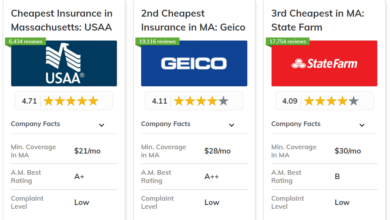
Choosing an insurer is not about chasing a famous name alone. The real winner depends on what you need protected, how fast claims are handled, and whether the company is strong enough to stand beside you years from now.
In broad recognition, names such as UnitedHealth Group, Allianz, and State Farm often dominate discussion, yet “top three” shifts by country, product line, and ranking method. Smart buyers compare the reason behind the ranking before trusting the headline.

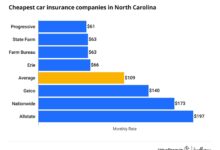




Understanding “Top Three Insurance Company” and How Rankings Are Determined
The phrase “top three insurance company” sounds simple, but it is never a one-size-fits-all answer. A company can dominate in size, while another wins on customer loyalty, and a third stands out for long-term financial muscle.
That is why smart rankings look at more than brand visibility. Analysts usually compare insurers by market share, total assets, premiums written, customer satisfaction, claims performance, and financial strength ratings. Each measure tells a different story: market share highlights reach, assets signal balance-sheet depth, premiums written show business volume, satisfaction reflects real customer experience, claims performance reveals service quality under pressure, and financial strength estimates whether the insurer can keep promises far into the future.
The Metrics Behind the Medal Stand
Before trusting any “top three” list, it helps to know what is actually being measured. Rankings can shift dramatically depending on geography, insurance segment, and the reporting source behind the numbers.
Globally, rankings often favor giant multinational groups because they collect enormous premium volume across many countries and business lines. In U.S.-only rankings, however, the leaders may change because domestic market share, state-by-state regulation, and product specialization matter more. A company that looks unbeatable worldwide may not be top-tier in U.S. auto insurance, while a strong U.S. carrier may barely register in global life or commercial charts.
The same logic applies across major insurance categories, because each segment rewards a different operating strength:
- Life insurance: often ranked by assets, reserves, and long-term financial stability.
- Health insurance: usually judged by membership scale, provider network breadth, and claims administration.
- Auto insurance: frequently measured by customer satisfaction, claims speed, and regional pricing competitiveness.
- Home insurance: often compared through catastrophe handling, policy features, and complaint trends.
- Commercial insurance: typically ranked by underwriting capacity, risk expertise, and global service infrastructure.
Because of that, the “top three” in life insurance may be completely different from the “top three” in auto or commercial coverage. Even reputable sources can produce different lists, since one may prioritize premium volume, another may lean on financial ratings, and another may emphasize customer experience data.
| Ranking Criteria | Typical Data Source | Best Use Case | Key Limitation |
|---|---|---|---|
| Market share / premiums written | Regulatory filings, industry reports | Finding the biggest active insurers | Size does not guarantee better service |
| Total assets | Annual reports, statutory statements | Evaluating long-term scale and reserves | Most useful for life and large groups |
| Customer satisfaction / complaints | Consumer surveys, complaint indexes | Comparing everyday user experience | Can vary by state, product, and sample |
| Financial strength | A.M. Best, S&P, Moody’s, Fitch | Testing claims-paying confidence | Does not reflect price or convenience |
When reading rankings, use a layered approach rather than chasing one headline number. First identify the insurance type you need, then check whether the ranking is global or U.S.-specific, and finally verify which metric drives the result.
Pro Tip: The most useful “top three” list is the one built around your actual policy goal. If you need auto coverage, a global asset ranking is far less helpful than U.S. claims and satisfaction data.
Profiles of the Three Leading Insurance Companies
When people ask who belongs in the top tier of insurance, three names appear again and again: State Farm, GEICO, and Allstate. Each wins attention for a different reason, which is exactly why understanding their profiles matters before comparing policies.
These insurers are widely recognized across the U.S. market for scale, visibility, and broad consumer reach. While all three offer mainstream protection, their histories, product strengths, and ideal customer fit are not identical, and those differences can shape a smarter buying decision.
Brand DNA and Best-Fit Buyers
State Farm, founded in 1922 and headquartered in Bloomington, Illinois, built its reputation through a massive local agent network and dependable personal insurance offerings. Its core products include auto, home, renters, life, and small business insurance, with service available across most of the United States. The brand is especially strong for customers who want a familiar name, in-person guidance, and easy bundling under one roof.
GEICO, founded in 1936 and based in Chevy Chase, Maryland, became famous for direct-to-consumer auto insurance and fast digital quoting. Its product lineup centers on auto, while also extending into motorcycle, renters, homeowners through partners, and umbrella coverage. GEICO serves customers nationwide and tends to appeal most to price-conscious drivers, digital-first shoppers, and people who prefer managing policies online rather than through a local office.
Allstate, founded in 1931 and headquartered in Northbrook, Illinois, is known for pairing broad product availability with a strong national brand. Its key lines include auto, home, renters, condo, life, and identity-related protection. Allstate often stands out for customers who want customizable protection, reward-style features, and access to both agents and digital tools in one ecosystem.
The table below captures each company’s quick identity at a glance.
| Company | Specialty | Financial Strength Indicator | Standout Feature |
|---|---|---|---|
| State Farm | Bundled personal insurance | Very strong industry reputation | Large local agent network |
| GEICO | Auto insurance efficiency | Strong backing and market confidence | Competitive digital quoting |
| Allstate | Customizable protection packages | Strong national insurer profile | Wide feature and add-on selection |
Here is where each insurer tends to shine most, and where buyers should look a little closer.
- State Farm strengths: excellent for bundling, broad agent support, strong home-and-auto appeal, and a trusted mainstream reputation.
- State Farm weaknesses: not always the cheapest for every driver, and savings can vary heavily by location and profile.
- State Farm best for: families, homeowners, and buyers who value relationship-based service.
- GEICO strengths: often attractive pricing, streamlined online tools, efficient quoting, and strong recognition in auto insurance.
- GEICO weaknesses: less ideal for shoppers who prefer face-to-face advice or deep policy hand-holding.
- GEICO best for: budget-focused drivers, commuters, younger policyholders, and confident online shoppers.
- Allstate strengths: flexible coverage options, recognizable brand, useful feature-rich policies, and solid multi-channel service access.
- Allstate weaknesses: premiums can run higher for some applicants, especially when compared with more aggressively priced rivals.
- Allstate best for: customers wanting customizable coverage, drivers interested in optional perks, and households needing multiple policy types.
Pro tip: A top insurer is not automatically the best insurer for you. The smartest move is to match the company’s strongest line—agent support, low-cost auto pricing, or customizable protection—to your buying style and risk needs.
Financial Strength, Trust Signals, and Claims Reputation
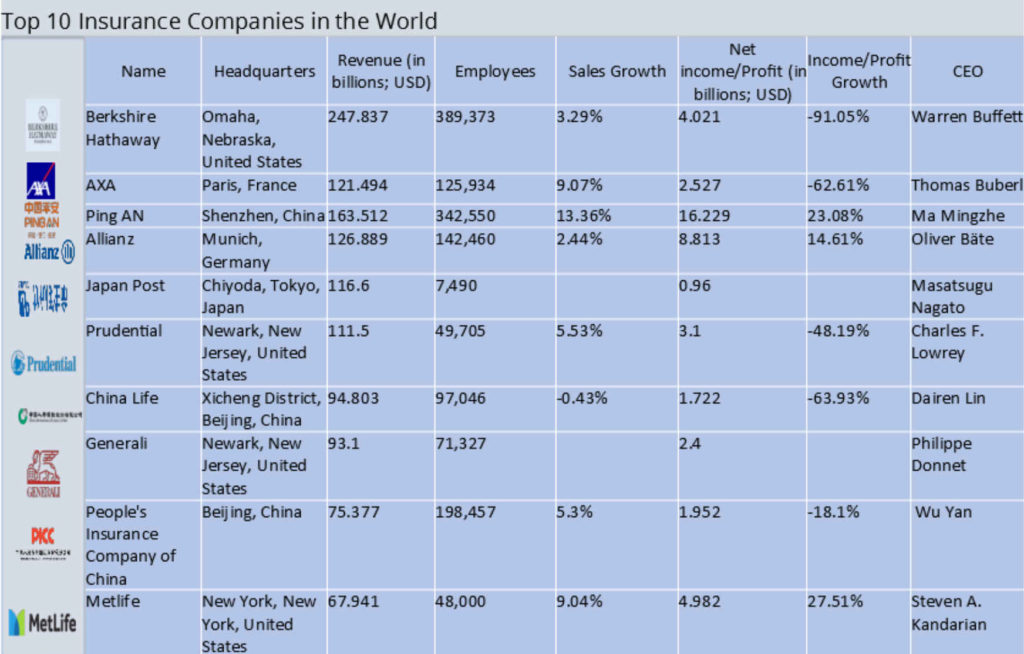
A polished ad can win attention, but only a financially solid insurer can keep big promises when disaster strikes. If you want confidence that lasts beyond the sales pitch, this is the section that matters most.
Financial strength tells you whether an insurer is built to absorb heavy claim volume, economic shocks, and catastrophic events without wobbling. Ratings from agencies such as AM Best, S&P, Moody’s, and Fitch do not predict your personal experience, but they do help signal whether a carrier has the capital discipline and reserve quality to honor future obligations. Strong ratings often increase trust because they reflect an outside review of stability, not just company marketing.
Signals That Separate Dependable Insurers from Attractive Brands
Claims reputation is where brand image meets real-world pressure. A carrier may look competitive on paper, but the better test is how it performs when customers need money, answers, and speed. Look for fast payout patterns, clear communication, low complaint levels, useful digital claim tools, and steady service quality across channels. Just as important, compare trust signals such as company longevity, policy retention, customer sentiment, and third-party scorecards to build a fuller picture instead of relying on one impressive metric.
| Factor | What It Can Reveal | Why It Matters |
|---|---|---|
| Financial ratings | Capital strength and claims-paying capacity | Higher ratings can suggest resilience during large loss events |
| Complaint levels | How often customers escalate problems | Frequent complaints may point to claim friction or billing issues |
| Digital claim tools | App uploads, tracking, status alerts, e-signatures | Better tools often reduce delays and confusion |
| Policy retention | How many customers choose to stay | Retention can hint at satisfaction, price stability, or trust |
| Longevity | Operating history across market cycles | Long track records may indicate durability, not automatic superiority |
Because trust should be earned from multiple angles, use practical checkpoints before you commit to a policy. These indicators help you judge whether an insurer is merely visible or genuinely dependable.
- Check ratings from more than one major agency rather than quoting a single score.
- Review state or national complaint data for patterns, not isolated stories.
- Read how claims are described in reviews, especially communication speed and fairness.
- Test the insurer’s app, claim portal, and support responsiveness before buying.
- Compare retention rates, renewal behavior, and how often customers switch away.
- Look for transparency on deductibles, exclusions, claim steps, and documentation needs.
Pro Tip: Never crown an insurer “best” based on one ranking list, one review site, or one financial grade. A company can score highly in financial stability yet disappoint in claim communication, or earn glowing reviews while offering weaker long-term stability. Smart buyers cross-check several sources before trusting any headline position.
Third-party ratings and consumer reviews work best when interpreted together. Financial grades show capacity, complaint records show friction, and customer feedback shows lived experience. None of these alone is a guarantee, but combined they create a sharper, safer filter for choosing among the most recognized insurance companies.
Comparing Coverage, Pricing, and Policy Value
The smartest insurance choice is rarely the cheapest logo on the quote screen. Real value appears when coverage depth, pricing structure, and everyday usability line up with the risks you actually carry.
Even among the top three insurers, the differences can be sharp: one may shine with generous riders and digital claims support, another may win on bundle discounts, while a third may offer stricter exclusions but lower premiums. That is why premium alone is an incomplete number; buyers should weigh deductibles, coverage caps, rider availability, claims convenience, renewal terms, and long-term perks before calling a policy “better.”
Where Policy Design Changes the Deal
Policy value is built feature by feature. In auto insurance, one leading company may offer accident forgiveness, roadside assistance, rental reimbursement, and safe-driver tracking, while another keeps a leaner base policy but rewards bundling home and auto. In home insurance, replacement-cost coverage, water-backup riders, scheduled valuables protection, and loss-of-use limits can change the real usefulness of a policy. In life or health insurance, waiver-of-premium, critical illness riders, network breadth, and prescription tiers can matter more than the headline monthly rate. Exclusions also vary: some insurers are tighter on pre-existing conditions, flood damage, cosmetic vehicle repairs, high-risk business operations, or vacant-property claims.
Price and value move together, but not always in the obvious way. A lower premium often comes with a higher deductible, narrower limits, fewer add-ons, or slower support channels. A higher premium may buy stronger claim assistance, wider coverage triggers, higher property replacement limits, lower out-of-pocket exposure, and loyalty benefits that improve over time. Pricing also shifts by profile: younger drivers often pay more than experienced drivers; coastal homeowners may pay more than inland owners; a small consulting firm may cost less to insure than a contractor; and health or life premiums can change materially based on age, tobacco use, family history, and medical results.
| Coverage Feature | Company Differences | Customer Impact | Cost Consideration |
|---|---|---|---|
| Riders and add-ons | One insurer may include common extras; another sells them separately | More tailored protection for specific risks | Base premium may look low until riders are added |
| Exclusions and limits | Claim triggers, caps, and restricted events differ by carrier | A cheaper policy may leave bigger gaps at claim time | Higher limits usually raise premium but reduce loss exposure |
| Discounts and bundles | Top insurers vary on multi-policy, safe-driver, loyalty, and home-safety savings | Bundling can make a stronger policy more affordable | Discount value depends on eligibility, not marketing promises |
| Customization flexibility | Some carriers allow easier deductible, limit, and endorsement changes | Better fit for changing life or business needs | Flexible structures can optimize premium versus protection |
To judge the same insurer fairly, compare it through real-life use cases instead of generic rankings.
- A 26-year-old city driver may dislike an insurer’s higher premium, while a 48-year-old suburban driver may love the same insurer because safe-driver discounts and bundling erase the price gap.
- A homeowner with standard furnishings may prefer the cheaper policy, while a homeowner with jewelry, electronics, and water-backup risk may see better value in the pricier option with richer riders.
- A healthy young applicant may focus on low life premiums, while an older buyer may value guaranteed features, stronger claim service, and stable renewal terms more than the monthly difference.
Pro tip: Ask each insurer for the same deductible, the same coverage limit, and the same optional riders before comparing price. That is the fastest way to see whether you are buying a bargain or simply buying less.
Best Choice by Customer Need and Insurance Type
The smartest pick is not always the highest-ranked brand. The real winner is the insurer whose strengths match your budget, lifestyle, and the kind of protection you actually expect to use.
Even among the top three insurers, each tends to shine in different ways. One may stand out for low-cost auto coverage, another for hands-on agent support, and another for fast digital tools or niche policy options. That is why the best approach is to match the insurer style to the customer profile instead of chasing one universal champion.
Matchmaker Guide for Real-World Buyers
Use the profiles below as a practical shortcut. These recommendations work best when you compare quotes, endorsements, deductibles, and service access in your ZIP code, because a company that looks unbeatable on paper may feel less valuable if its local pricing, claims network, or policy flexibility does not fit your situation.
- Individuals on a tight budget: A price-first insurer is often the strongest fit if you mainly want legal minimums or basic protection with lean monthly premiums.
- Families bundling multiple policies: An insurer with strong home-auto bundle discounts and dependable claims support often delivers better long-term value than the absolute cheapest quote.
- Seniors: A service-oriented insurer with patient agents, clear billing, and predictable renewal communication may be more reassuring than an app-first provider.
- Drivers with changing needs: A digitally convenient insurer can be ideal for app-based ID cards, claim tracking, usage-based programs, and easy policy adjustments.
- Homeowners with higher-value property: A carrier known for broader dwelling options, endorsement depth, and catastrophe response may be worth the higher premium.
- Small business owners: A provider with specialized protection such as commercial auto, liability add-ons, or industry-specific packages usually fits better than a personal-lines giant with limited business customization.
| Customer Type | Preferred Insurer Style | Priority Feature | Reason for Fit |
|---|---|---|---|
| Budget-focused individual | Low-cost direct insurer | Affordable premiums | Helps keep mandatory coverage manageable without paying for service extras you may not use. |
| Family household | Bundle-friendly full-service insurer | Multi-policy savings | Combines home, auto, and umbrella convenience with stronger support during larger claims. |
| Senior policyholder | Agent-led insurer | Personal guidance | Offers human help for renewals, billing questions, and coverage explanations. |
| Small business owner | Specialized protection insurer | Flexible commercial options | Better suited for mixed personal-business risk than a standard consumer-focused policy setup. |
Important nuance: a company ranked highly overall can still be the weaker choice in specific situations. A premium brand may disappoint a budget shopper if rates are far above competitors. A low-price leader may frustrate a homeowner who wants detailed advice and in-person claim help. A giant agent network may matter less to a tech-savvy driver who prefers instant app service, while a digital-first insurer may fall short for someone needing complex life-stage guidance or specialized business endorsements.
Pro Tip: If your needs are simple, compare for price and digital ease first. If your risks are more complex, compare for claims support, endorsement depth, and the quality of local service before you focus on premium alone.
How to Evaluate and Compare the Top Three Before Buying
The smartest insurance choice is rarely the loudest brand or the cheapest quote. It is the company that fits your risks, pays reliably, and stays clear when the policy is tested.
To compare the top three fairly, use the same method for each provider. Start by defining what you truly need covered, then collect matching quotes for equal limits and deductibles. After that, check financial ratings from agencies such as AM Best or S&P, scan customer feedback for claim handling patterns, and study exclusions so you know what is not protected. Finally, verify how claims support works in real life: response hours, digital filing, repair networks, and escalation options all matter when stress is high.
The Buyer’s Decision Filter
Follow this step-by-step process before signing anything. It helps you compare substance instead of marketing and keeps attention on the policy details that most often shape satisfaction after purchase.
- Define your must-have coverage, optional add-ons, budget ceiling, and risk priorities.
- Request quotes using the same coverage limits, riders, and deductible level from all three insurers.
- Check financial strength ratings and confirm the insurer is licensed in your state or market.
- Read the policy wording, especially waiting periods, exclusions, claim limits, and renewal terms.
- Test claims support by calling, chatting, or reviewing the filing process before you buy.
When reading policy documents, slow down at the sections buyers often skip. Review the declarations page for limits and premium accuracy, then inspect the wording around waiting periods, limitations, deductibles, renewability, and cancellation terms. Also look for sub-limits, required documents for claims, payout timelines, and whether premium increases can happen at renewal. If a phrase sounds vague, ask for written clarification rather than relying on a sales summary.
Pro tip: A lower premium can become expensive if the deductible is steep, exclusions are broad, or claims service is hard to reach.
Use this checklist to keep the comparison consistent across all three companies:
- Coverage limits match across quotes
- Deductibles are equal or clearly adjusted
- Major exclusions are listed side by side
- Waiting periods and benefit caps are noted
- Financial ratings are current and credible
- Claims channels, hours, and response options are verified
- Renewal, cancellation, and premium change rules are documented
- Discounts are separated from base policy value
| Factor | What to Review | Warning Sign | Decision Impact |
|---|---|---|---|
| Coverage Fit | Core protections, riders, limits | Cheap quote with missing essentials | High: affects real protection |
| Out-of-Pocket Cost | Deductible, co-pay, claim caps | Low premium but heavy cost-sharing | High: changes claim affordability |
| Policy Restrictions | Exclusions, waiting periods, limitations | Broad carve-outs or confusing wording | High: drives denied claims risk |
| Service Reliability | Claims process, support access, updates | Slow response or weak complaint record | Medium to high: affects experience |
For a clean professional illustration, picture three insurance companies displayed side by side in a balanced layout. Use small comparison charts for price and coverage depth, policy paper icons to represent contract details, claim symbols to show payout efficiency, customer service badges for accessibility, and trust indicators such as ratings or shield marks for stability. The design should feel organized and calm, guiding the eye from features to risks to final decision impact without visual clutter.
Summary

The best insurance company is rarely the loudest name on a ranking page. When you match financial strength, claims reputation, coverage detail, and personal need, the “top three” becomes a practical decision instead of a marketing slogan. Compare with calm eyes, and your policy can become a shield that truly works when life tests it.
Common Queries
Who is usually considered the top three insurance company?
Commonly recognized names include UnitedHealth Group, Allianz, and State Farm, depending on category and region.
Why do rankings change?
Because some lists measure size, while others measure customer satisfaction, claims, or financial strength.
Is the biggest insurer always the best?
No. Size shows scale, not necessarily better pricing, claims support, or policy fit.
Which insurer is strongest for health coverage?
UnitedHealth Group is widely recognized for health plan scale and network reach.
Which insurer is popular for auto and home?
State Farm is often highlighted for its agent network and broad personal lines presence.
What should I check before buying?
Compare quotes, ratings, exclusions, deductibles, complaint data, and claims tools.