Every small business carries big ambition, but ambition alone cannot absorb a lawsuit, a burst pipe, or a workplace injury. That is where 3 small business insurance options step in as your practical shield: general liability for third-party harm, commercial property for physical assets, and workers’ compensation for employee injuries and related medical costs.
Think of these three policies as a smart protection trio. General liability helps when a customer slips or claims damage, commercial property supports repairs after fire, theft, or equipment loss, and workers’ compensation responds to job-related accidents. The right mix depends on how you sell, where you operate, who you employ, and what risks you face each day.




Understanding 3 Small Business Insurance Options
When people search for “3 small business insurance”, they usually mean the three foundational policies that protect a company from the most common money-draining surprises. Think of them as the practical starter trio: one shields you from third-party claims, one protects your physical assets, and one helps cover employee injury obligations.
For many small companies, the core options are general liability, commercial property, and workers’ compensation. Each one solves a different business problem, so choosing wisely starts with understanding what it is designed to do, what it usually covers, and where the gaps often appear.
The Starter Shield for Everyday Business Risk
General liability insurance is built for claims involving customers, vendors, or the public. Commercial property insurance focuses on the things your business owns or relies on in a physical space. Workers’ compensation insurance is centered on employee injuries or work-related illness. Together, they form a strong first layer of protection for businesses that sell in person, work from home, serve clients online, perform contracting jobs, or run from an office.
| Policy Type | Main Purpose | Basic Coverage Scope | Common Exclusions |
|---|---|---|---|
| General Liability | Protects against third-party injury, property damage, and some advertising-related claims | Customer slip-and-fall incidents, accidental damage to someone else’s property, legal defense costs | Professional errors, employee injuries, intentional acts, damage to your own business property |
| Commercial Property | Helps repair or replace business-owned physical assets after covered events | Buildings, furniture, inventory, tools, computers, and equipment damaged by events such as fire or theft | Floods, earthquakes, wear and tear, neglect, some off-site property losses |
| Workers’ Compensation | Handles costs tied to employee work injuries or occupational illness | Medical bills, rehab costs, partial lost wages, employer liability in qualifying cases | Injuries outside work, intoxication-related incidents, intentional misconduct, many contractor-only claims |
Different business models lean on these policies in different ways, but some patterns are easy to spot:
- Retail businesses often need all three if they have stock, a storefront, and staff.
- Home-based businesses commonly need general liability and commercial property because home insurance may not fully protect business activity or equipment.
- Online service businesses may start with general liability, and add commercial property if they rely on expensive computers or studio equipment.
- Contractors typically need general liability for jobsite damage claims and workers’ compensation when employees are involved.
- Office-based operations often pair general liability with commercial property, then add workers’ compensation once they hire staff.
To make these differences real, here are common risks that trigger interest in these three policies:
- A customer slips on a wet floor in a shop and demands medical payment.
- A burst pipe or fire damages laptops, inventory, or office furniture.
- An employee strains their back while lifting boxes or falls on a worksite.
- A contractor accidentally damages a client’s wall, flooring, or wiring.
- A thief steals business equipment from a leased office or studio.
Pro Tip: If your business has a physical location, business property, or even one employee, these three policies are often the fastest way to reduce major financial exposure before a single claim turns into a cash-flow crisis.
Coverage Details, Limits, and Common Exclusions
The right policy does more than reimburse a loss—it keeps one bad day from becoming a business-ending event. Knowing what each policy actually pays for, and where the gaps usually appear, helps owners buy protection with intention instead of guesswork.
For most small businesses, the core trio includes general liability insurance, commercial property insurance, and workers’ compensation insurance. Together, they can address third-party injury claims, repair or replacement of buildings and business contents, lost inventory after covered events, and employee medical expenses tied to workplace injuries. Still, every policy has limits, deductibles, and exclusions that shape the final payout.
What the Policy Really Pays For
Use this side-by-side view to see how the three coverages typically respond in practical terms. Exact wording varies by carrier, but these are the protections and restrictions many small businesses encounter most often.
| Coverage Type | What Is Included | What Is Excluded | Who Benefits Most |
|---|---|---|---|
| General Liability | Bodily injury to customers, property damage to others, legal defense costs, settlements, and some medical payments regardless of fault. | Professional errors, employee injuries, intentional acts, pollution, auto-related claims, and damage to your own property. | Retailers, contractors, office-based firms, and businesses with foot traffic or client visits. |
| Commercial Property | Repair or replacement of buildings, furniture, equipment, signage, and inventory loss from covered perils such as fire, theft, or certain storms. | Flood, earthquake, wear and tear, pests, mechanical breakdown, and off-premises losses unless added by endorsement. | Stores, restaurants, warehouses, salons, and any business with physical assets. |
| Workers’ Compensation | Employee medical expenses, rehabilitation, partial lost wages, and employer liability protection after work-related injuries or illness. | Independent contractors, intentional misconduct, injuries outside job duties, and sometimes intoxication-related incidents. | Employers with staff in physical, service, delivery, or customer-facing roles. |
Beyond basic coverage, policy mechanics matter just as much as the headline promise. Pay close attention to these common structures before you assume a loss is fully covered.
- Policy limits: General liability often uses per-occurrence and aggregate limits; property insurance may be capped by building, contents, or total scheduled values; workers’ compensation usually follows statutory benefit rules plus employer liability limits.
- Deductibles: Commercial property commonly includes deductibles per claim, while general liability may have none for many claims; workers’ compensation structures vary by state and policy design.
- Endorsements: Useful add-ons can include hired/non-owned auto liability, equipment breakdown, ordinance or law coverage, cyber endorsements, and increased limits for valuable tools or stock.
- Special conditions: Coinsurance clauses, vacancy rules, sublimits for electronics or outdoor signs, and reporting requirements can reduce payment if ignored.
These real-world examples show how coverage can respond when the facts align with the policy language—and how exclusions can redirect the outcome.
Claim example: A customer slips on a freshly mopped floor and files a lawsuit for medical bills and lost income. General liability may cover legal costs, settlement expenses, and immediate medical payments, subject to the policy limit.
Claim example: A small boutique suffers a nighttime fire that damages shelving, point-of-sale equipment, and seasonal inventory. Commercial property insurance may pay for property repair and inventory replacement after the deductible, if fire is a covered peril.
Claim example: A stockroom employee injures their back lifting shipment boxes. Workers’ compensation typically responds to medical treatment, therapy, and a portion of missed wages, even when no lawsuit is filed.
Pro tip: If your business depends on specialized tools, refrigerated stock, or expensive electronics, basic forms may be too narrow. Ask about scheduled property, spoilage coverage, or equipment breakdown endorsements before a claim exposes the gap.
Cost Factors and Pricing Scenarios for Small Businesses
Insurance pricing is not random; it follows the risk trail your business leaves behind. The smarter you understand those cost drivers, the easier it becomes to trim premiums without stripping away protection.
For small businesses, insurers usually price policies by asking a simple question: how likely is a claim, and how expensive could it be? That is why premiums often rise or fall based on your industry, payroll, annual revenue, location, claims history, headcount, square footage, and the value of equipment, inventory, or commercial property. A graphic designer working from home will usually pay far less than a contractor, restaurant, or retail shop with public foot traffic, tools, stock, and employees on-site.
What Really Moves the Premium Needle
The biggest pricing levers are usually tied to operational exposure. Industry class matters because risk-heavy work such as construction, food service, delivery, and manufacturing tends to produce more claims than consulting or online services. Payroll often affects workers’ compensation pricing, while revenue can influence general liability because more sales may mean more customer interactions or product exposure. Location also plays a major role: businesses in areas with higher crime, storm risk, lawsuits, or property values often pay more.
Insurers also look closely at your track record. A clean claims history can help you qualify for better rates, while repeated losses can push pricing upward or limit carrier options. Business size matters because larger teams, bigger premises, and more customers increase the chance of accidents. If you own expensive furniture, computers, specialized tools, or inventory, property value raises the replacement cost portion of coverage.
Here is a practical snapshot of how pricing may look across common risk levels. Actual premiums vary by state, carrier, limits, and deductible choices.
| Business Risk Level | Typical Business Type | Estimated Annual Premium | Main Cost Drivers |
|---|---|---|---|
| Low-risk | Freelancer, consultant, home-based online seller | $300-$1,200 | Low foot traffic, limited property, no employees |
| Medium-risk | Small office, salon, light retail, studio | $1,200-$3,500 | Customer visits, equipment, moderate payroll or revenue |
| High-risk | Restaurant, contractor, auto service, manufacturer | $3,500-$12,000+ | Higher injury exposure, property risk, larger staff, claims potential |
Business structure can change the price picture too, even when revenue is similar.
- Sole proprietors often pay the least because they may have no employees, lower payroll, and fewer operational layers.
- LLCs may pay more if they carry broader protection, lease space, or separate personal and business liabilities more formally.
- Storefront businesses usually face higher costs than home-based businesses because they add public access, signage, inventory, and property exposure.
- Businesses with employees almost always see premiums increase due to workers’ compensation, employment practices exposure, and larger liability footprints.
Cost control does not always mean cutting coverage. In many cases, bundling policies into a business owner’s policy can reduce total cost versus buying general liability and commercial property separately. Raising a deductible can also lower annual premiums, although it increases your out-of-pocket cost during a claim. For example, a small retailer might save 10% to 20% by bundling, while moving from a $500 deductible to $1,000 could reduce the premium further if the business has enough cash reserve to absorb that difference.
Pro Tip: If your business has grown, moved, hired staff, or added equipment, ask for a repricing review. Updated details can uncover discounts—or reveal gaps before they become expensive surprises.
Choosing the Right 3 Insurance Policies by Business Type
The smartest insurance mix is not the biggest bundle; it is the one that mirrors how your business actually earns, serves, and risks. Choose well, and the right three policies can act like a financial shock absorber when daily operations get messy.
For most small businesses, the core trio often starts with general liability insurance, commercial property insurance, and either professional liability or workers’ compensation, depending on how work is delivered. The best combination changes by industry because lawsuits, damaged equipment, employee injuries, and customer claims do not strike every business in the same way.
Industry-to-Policy Matchups That Make Practical Sense
Use the table below as a fast decision tool. It aligns business type with the policy that usually deserves first attention, the risk most likely to hurt cash flow, and the coverage priority that should shape buying decisions. In practice, many owners carry all three core policies, but the order of urgency matters when budgets are tight.
| Business Type | Recommended Policy | Main Risk | Coverage Priority |
|---|---|---|---|
| Food service | General liability | Slip-and-fall, customer injury, food-related incidents | High third-party injury protection |
| Consulting | Professional liability | Advice errors, missed deadlines, client financial loss | Strong errors-and-omissions limits |
| E-commerce | Commercial property | Inventory loss, equipment damage, fulfillment interruption | Inventory and tech asset protection |
| Construction | Workers’ compensation | Employee injury, job-site accidents | Statutory compliance and payroll-based coverage |
| Cleaning | General liability | Property damage at client sites, bodily injury claims | Damage to customer premises and tools |
| Beauty services | General liability | Client injury, allergic reactions, treatment-related incidents | Customer-facing liability with property support |
Policy selection is also shaped by outside obligations, not just internal risk. State law may require workers’ compensation once you hire employees. A landlord may require general liability before signing a lease. Corporate clients often demand professional liability in service contracts, while marketplaces, suppliers, or event venues may ask for certificates of insurance and minimum limits before doing business with you.
Before you compare quotes, evaluate fit through the lens of real operations:
- Measure your assets: count inventory, furniture, equipment, tools, and tenant improvements that would be expensive to replace.
- Review your employee count: more staff usually means higher workers’ compensation urgency and more chances for workplace injury.
- Map your customer interaction: the more clients visit your location or receive hands-on service, the more critical liability protection becomes.
- Examine your operational exposure: off-site work, advice-based services, deliveries, or use of specialized equipment may shift priority toward professional or property coverage.
- Check every contract, lease, and vendor agreement: required policy types, endorsements, and minimum limits can quickly override a basic buying plan.
Pro Tip: If your business works on client property, serves the public in person, and owns valuable equipment, do not choose insurance in isolation. Start with the contract requirements, then layer protection around the loss that would interrupt revenue fastest.
The goal is not to buy more insurance than necessary, but to match protection to the pressure points of your business model. When policy choices reflect how you operate, they become a practical growth tool rather than a paperwork expense.
Claims Process, Documentation, and Risk Management Practices
When trouble hits, speed and clarity can protect cash flow as much as the policy itself. A clean claim file, submitted early and backed by solid records, often moves faster and faces fewer disputes.
For the three most common small business policies—general liability, commercial property, and workers’ compensation—the path is similar: report the event, prevent further damage, gather proof, cooperate with the insurer, and track settlement status. The difference is in the evidence: liability claims lean on third-party facts, property claims on damage proof and repair values, and workers’ compensation on injury reports, medical records, and payroll data.
Fast-Track Claim Readiness Playbook
The smartest claims are built before the incident happens. Use the workflow below to keep every report organized, defensible, and easier for the insurer to evaluate.
| Stage | Action | Document | Expected Timeline |
|---|---|---|---|
| 1. Report Incident | Notify insurer, broker, supervisor, or carrier hotline; seek emergency help if needed. | Basic incident form, date/time, contact details, policy number. | Immediately to 24 hours |
| 2. Secure Scene | Prevent more injury, theft, water spread, or property loss without destroying evidence. | Photos, video, temporary repair receipts, witness names. | Same day |
| 3. Build File | Collect supporting proof based on policy type. | Receipts, inventory list, police report, medical notes, payroll records, contracts, repair estimates. | 1–7 days |
| 4. Adjuster Review | Answer questions, allow inspection, and clarify loss details. | Signed statements, invoices, maintenance logs, witness statements. | Several days to a few weeks |
| 5. Decision & Payment | Review settlement, deductible, reserves, and any denied items. | Settlement letter, estimate comparison, proof of payment. | Varies by complexity |
Each insurance category has its own best-practice sequence, and following it closely can reduce back-and-forth.
- General liability: document the third-party injury or damage, save witness statements, preserve contracts, and file any police or incident reports if applicable. Do not admit fault before the insurer reviews the facts.
- Commercial property: photograph all damage, separate salvageable items, keep receipts for emergency mitigation, and request at least one or two repair estimates. Inventory records and prior maintenance logs can strengthen valuation.
- Workers’ compensation: report the injury internally, send the employee for approved medical care if required by state rules, submit the employer injury report, and attach wage or payroll records for benefit calculations.
Common documents can make or break timing. Keep dated photos, original purchase receipts, payroll summaries, witness statements, police reports for theft or vandalism, vendor invoices, contracts, and written repair estimates in one digital folder per incident.
Strong risk management lowers claim frequency and also improves credibility when a loss does occur. Practical habits include the following:
- Run recurring safety training for lifting, slips, equipment use, and customer-area hazards.
- Maintain written maintenance logs for HVAC, electrical systems, alarms, vehicles, and key machinery.
- Review contracts carefully so indemnity clauses, insurance requirements, and certificate tracking do not create surprise liability.
- Practice basic cyber hygiene: multi-factor authentication, password policies, software updates, and employee phishing awareness.
- Build an incident documentation habit with standardized forms, timestamped photos, and immediate supervisor sign-off.
Pro Tip: Create a simple “claim kit” now: policy numbers, carrier contacts, incident forms, camera checklist, payroll access, and preferred repair vendors. In a stressful moment, preparation turns panic into process.
Consistency is the hidden advantage: businesses that document routinely, train staff regularly, and store records cleanly are usually easier to insure, faster to reimburse, and better positioned to challenge undervalued settlements.
Policy Comparison, Provider Evaluation, and Renewal Checklist
The cheapest policy can become the most expensive mistake if the provider stalls, under-supports, or boxes your business into rigid terms. Smart owners compare insurers the way they compare vendors: on reliability, responsiveness, and fit.
Before you bind or renew coverage, look beyond the premium and study how each insurer performs when your business changes fast. A strong provider should combine financial stability, practical service, flexible endorsements, useful digital tools, and support that matches your industry and operating footprint.
Smart Match Signals Before You Sign
Start with a side-by-side review so you can spot the difference between a policy that merely exists and one that actively protects growth. Focus on the insurer’s balance of claim handling reputation, customization options, and the level of guidance available when you add staff, equipment, or locations.
| Provider Focus | Policy Flexibility | Support Quality | Ideal User Profile |
|---|---|---|---|
| National carrier with strong ratings | Broad endorsements, scalable limits | 24/7 claims, mature online portal | Growing firms needing dependable capacity |
| Regional insurer with local presence | Moderate customization, practical bundles | Hands-on agent help, local market insight | Owners who value personal guidance |
| Industry-specialist provider | Targeted forms for niche risks | Adjusters familiar with sector-specific losses | Contractors, clinics, retailers, or food businesses |
| Digital-first insurer | Fast quoting, simpler package edits | Strong self-service, lighter human interaction | Lean teams wanting speed and convenience |
Use this checklist before purchase or renewal so nothing important hides in the fine print. Review each item with your broker, agent, or carrier representative and ask for changes in writing when needed.
- Limits: confirm per-claim, aggregate, property, business interruption, and equipment limits still match today’s revenue and asset values.
- Exclusions: identify what is not covered, especially cyber events, employee dishonesty, professional advice, flood, or off-premises property.
- Endorsements: check optional add-ons, sublimits, waiver wording, hired/non-owned auto, additional insured status, and ordinance or law coverage.
- Certificates: verify certificate requirements for landlords, clients, lenders, and vendors so you can issue compliant proof quickly.
- Deductibles: make sure out-of-pocket costs are affordable without hurting cash flow after a loss.
- Cancellation terms: review notice periods, non-renewal language, installment penalties, and whether claims history may affect continuation.
Pro tip: If two insurers quote similar premiums, the better choice is often the one with clearer endorsements, faster certificate issuance, and stronger claim communication.
Renewal should not be a rubber stamp. Begin the process 30 to 60 days before expiration, request updated loss runs if available, compare expiring terms against proposed changes, and confirm whether payroll, sales, inventory, or square footage have shifted enough to affect pricing or eligibility.
During the annual review, revisit operational changes that can quietly create underinsurance. Use this renewal workflow to keep coverage aligned with the business you actually run today.
- Hiring staff: update payroll estimates, workers’ compensation classifications, employment practices needs, and non-owned auto exposure for employees using personal vehicles.
- Buying equipment: raise business personal property limits, schedule high-value tools or machines, and review breakdown or inland marine coverage.
- Expanding locations: add each address, confirm occupancy details, update liability exposure, and check whether security or fire protection requirements differ by site.
- Changing contracts: review insurance requirements from new clients, leases, or lenders, including additional insured, primary/noncontributory, and waiver clauses.
- Updating contacts and access: verify billing users, claim contacts, certificate request permissions, and portal access for managers.
Pro tip: Treat renewal like a strategy meeting, not paperwork; one overlooked location, machine, or headcount jump can leave a healthy business exposed at exactly the wrong moment.
Conclusion
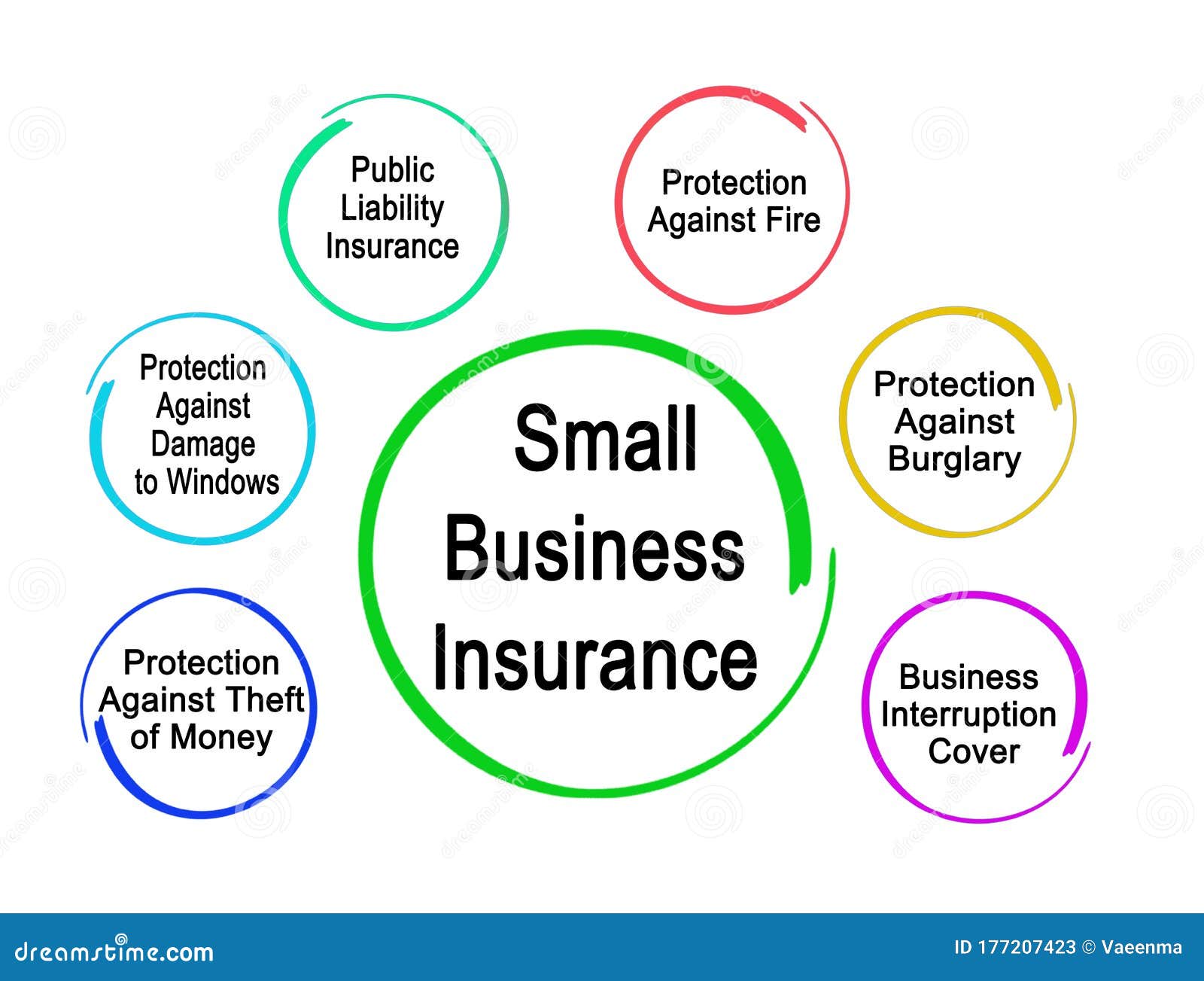
Choosing coverage is not about buying the most policies; it is about building the right safety net for the business you are growing. When you match insurance to your real risks, review limits carefully, and update coverage as your business evolves, you turn uncertainty into strategy. Protect wisely now, and your business can move forward with more confidence, credibility, and staying power.
FAQ Section
What does 3 small business insurance usually mean?
It commonly refers to three core policies: general liability, commercial property, and workers’ compensation.
Which policy helps if a customer gets hurt at my location?
General liability is usually the first policy that may help with injury claims, legal defense, and settlements within policy limits.
Do home-based businesses still need insurance?
Yes. Home insurance often excludes business-related losses, so a home-based business may still need liability or property coverage.
Is workers’ compensation required if I have employees?
In many places, yes. Rules vary by state and industry, but businesses with staff are often legally required to carry it.
What is usually excluded from these policies?
Common exclusions include intentional damage, normal wear and tear, some cyber losses, professional mistakes, and uninsured contract obligations.
How are insurance costs calculated?
Premiums often depend on industry risk, payroll, revenue, location, claims history, property value, and number of employees.
Can bundling policies reduce the total price?
Often yes. Bundling can lower costs and simplify management, though coverage terms and savings differ by insurer.